Modern childhood is often defined by the glow of tablets and the rapid-fire engagement of educational apps. While these digital tools provide immense value, we must pause to consider what is lost when we overlook the quiet, tactile power of paper-based learning in our children's daily lives.
Picture a child navigating a digital day, shifting fluidly from an interactive math game to a streaming video lesson. While their eyes dart across the screen, their bodies remain largely stationary and their hands hover over glass rather than interacting with the physical world. This digital immersion is impressive, yet it bypasses a fundamental aspect of human development: the need for sensory, physical interaction. When a child engages with a piece of paper, they are not just consuming information; they are feeling the weight of the page, navigating its physical boundaries, and coordinating their movements to create something tangible. This process transforms a simple task into a multisensory experience that anchors knowledge in the physical environment.
Childhood Learning Has Become a Touchscreen Experience
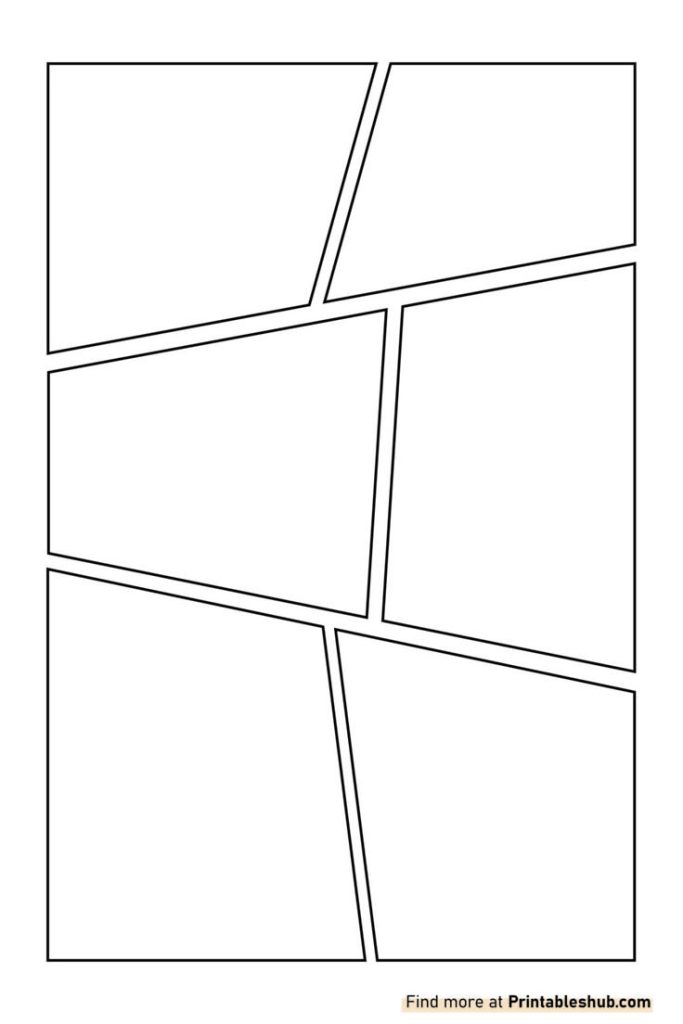
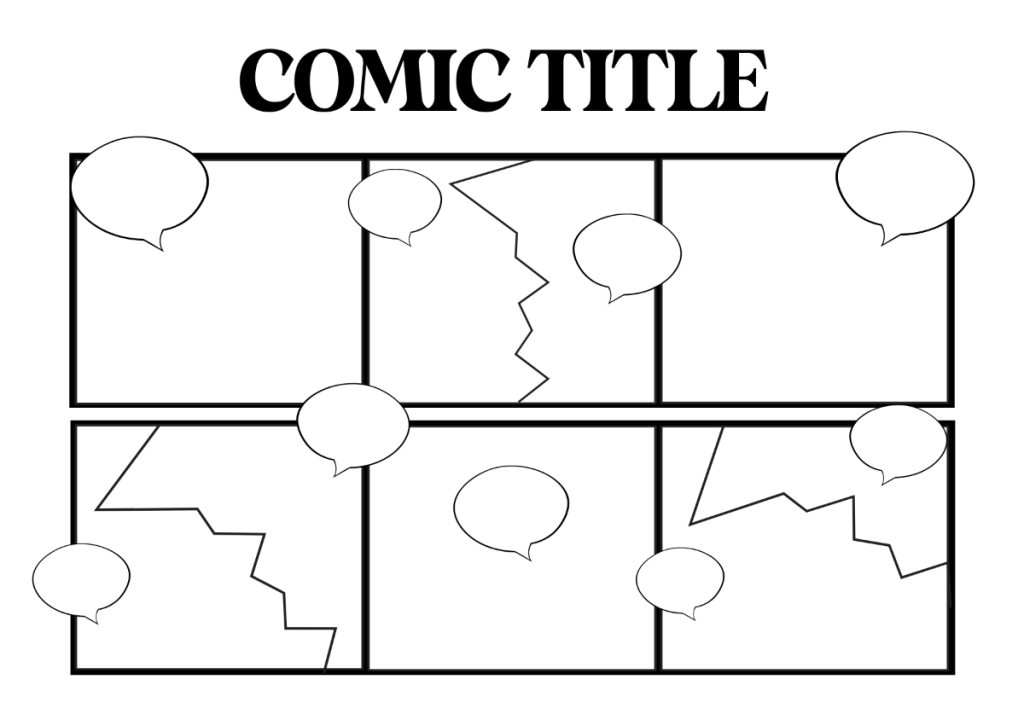
The transition from screen to page invites a child to use their hands as active participants in the learning process rather than passive recipients of content. When a child sits down with a free comic strip template printable, they are engaging in a complex motor sequence that involves grip, pressure, and precision. This fine motor work fosters hand strength and eye-hand coordination, which are essential precursors to complex cognitive tasks like reading and writing. By translating a thought into a drawing or a sentence within a specific, physical box, the child is practicing motor planning and visual tracking in a way that scrolling through a feed simply cannot replicate.
One of the most profound benefits of a printed page is the creation of a stable, spatial environment that the brain can map with ease. Unlike a screen that constantly refreshes or scrolls, a physical page stays exactly where you put it, allowing the child to anchor their memory to specific locations. They might remember that a character’s name was written in the top right corner or that a crucial plot point was drawn near the bottom of the sheet. This fixed physical positioning helps children build cognitive maps, allowing them to retrieve information based on where it existed in their field of vision rather than just what the information represents.
Physical learning naturally encourages a slower, more deliberate pace that allows for deeper cognitive processing. When a child is tasked with filling out a page, they are forced to look, think, write, and check their work in a sequence that cannot be rushed by a computer’s pacing algorithm. This reduction in the constant stimulation of notifications and animations fosters sustained attention and allows the child to enter a state of deep focus. By managing the speed of their own production, children develop the ability to organize their thoughts and see a project through to completion without the crutch of immediate digital feedback.
Why Slower Can Sometimes Mean Deeper
On paper, a mistake is not just a wrong answer to be cleared by a reset button, but a visible marker of the learning journey. A child who erases a line, crosses out a word, or annotates their own work is engaging in a process of metacognition, where they are actively thinking about their own thinking. These physical corrections create a tangible history of their progress, showing the child that trial and error is a productive and natural part of the creative process. Instead of disappearing into the ether of a digital interface, these marks remain as evidence of the child’s grit and capacity for refinement.
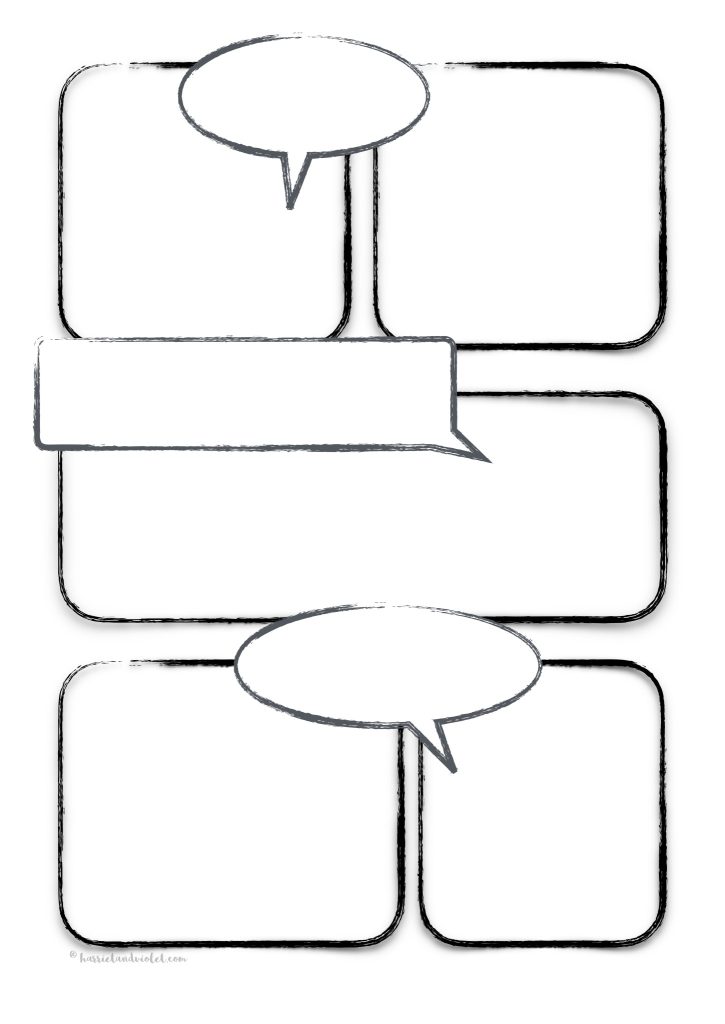
Using a free comic strip template printable serves as a perfect bridge between academic structure and creative expression. By forcing a narrative into specific, segmented panels, children learn the principles of sequencing, cause and effect, and dialogue construction. Younger children might focus on fine motor skills and letter formation within the bubbles, while older students can use these tools to map out complex stories or scientific processes. This activity turns an abstract lesson into a personalized artifact, requiring the child to balance their linguistic knowledge with their spatial design capabilities simultaneously.
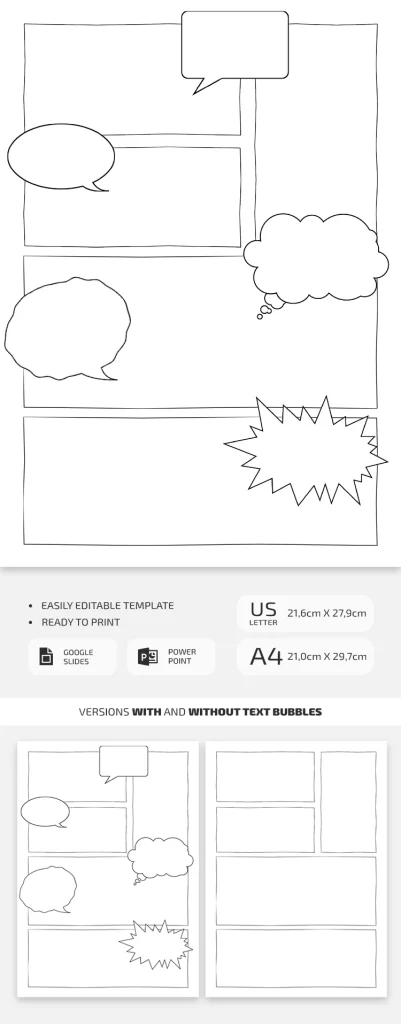
To maximize the impact of physical learning, caregivers should aim for consistency and intentionality in how they use printed resources. Keep sessions brief to match the child's attention span, and always encourage the child to talk through their process or explain why they made certain choices. It is vital to allow space for mistakes before offering assistance, as this builds the confidence necessary for independent problem solving. By integrating these practices—such as annotating, drawing, and reflecting—you transform a standard worksheet into a sophisticated developmental tool that rewards persistence and careful observation.
The ultimate goal of a modern education should not be to choose between the efficiency of technology and the grounding presence of paper, but to cultivate a child who can thrive in both worlds. We want to raise learners who can handle the speed of a digital interface while retaining the patience and spatial awareness required for physical tasks. By offering a varied ecosystem of learning, we empower children to use whatever medium is most effective for the task at hand. Children do not need to choose between technology and paper; they need opportunities to develop the cognitive flexibility to use both well.