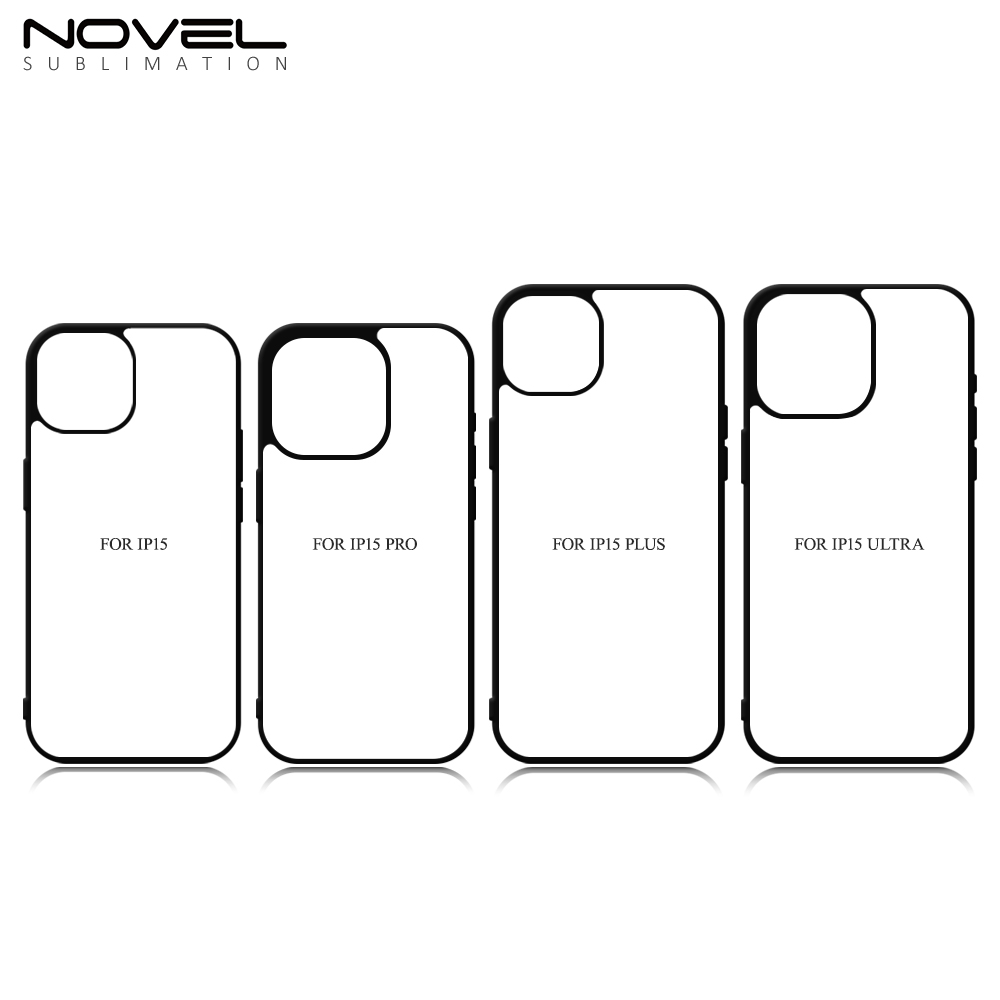
A simple printable iphone template is more than just a sheet of paper; it is a blank canvas for digital planning, creative expression, and hands-on learning. Whether you are a teacher, designer, or just a fan of tactile organization, these templates bring digital concepts to life.
At its core, a printable iphone template offers a tangible way to map out app interfaces, user experiences, or social media aesthetics without staring at a glowing screen. By physically drawing on the paper, you bypass the friction of software menus and focus entirely on the layout. This method is incredibly useful for brainstorming app wireframes, drafting content calendars, or helping children understand how digital devices function in their daily lives.
Aspiring mobile developers and UX designers often find that the best initial iterations happen on paper before they ever open a design tool. You can use the template to sketch out wireframes for a new application, testing button placements and menu flow in a low-stakes environment. For students or beginners, this is an excellent way to learn about user-centered design, as they can physically move paper cutouts around to simulate how a user might navigate from a home screen to a settings page.
For a more advanced project, try using multiple templates to create a storyboard of a user journey. You might shade the background with markers to show active versus inactive states or use sticky notes to represent pop-up notifications. This approach helps identify potential design flaws before they become expensive coding mistakes, providing a clear visual map for developers to follow during the building phase.
Digital Literacy and Creative Writing Activities
In a classroom or home-school setting, these templates can serve as a bridge to teaching digital citizenship. Younger children can draw what their ideal app would look like, focusing on themes like kindness or environmental awareness, which helps them process the content they consume. You could even use the template to draft a creative writing story where the narrative unfolds through a series of text messages or social media posts printed on the page.
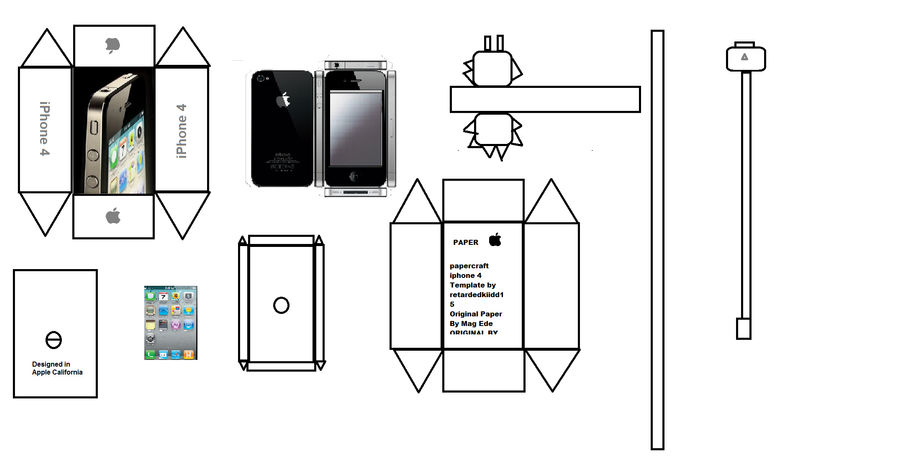
Teachers can also create role-playing exercises where students fill out the screens based on historical figures or fictional characters. For example, a student could imagine what a phone screen might look like for a character in a novel, detailing their search history, frequent contacts, or photo gallery. This exercise forces the student to analyze character motivations and plot points in a fresh, engaging way that feels relevant to their own experiences with technology.
Beyond app design and education, these templates are excellent for planning social media feeds or organizing digital chores. You might print a batch to practice flat-lay photography arrangements or to create a vision board of your aesthetic goals for the coming season. When it comes to practical tips, consider printing on cardstock to make the templates more durable, or use a laminator if you want to use dry-erase markers for repetitive drafting. Experimenting with different scales allows you to build mockups for various device sizes, ensuring your ideas are adaptable to any screen. Whether you are prepping for a professional project or just looking for a way to unplug while staying creative, these paper devices turn abstract digital thoughts into concrete, workable plans.