It is late on a Tuesday evening, and you realize you need a unique activity for tomorrow morning’s lesson or a birthday party. You have the concept, but drawing uniform pieces by hand is tedious and messy. A printable puzzle template is the perfect solution for this common dilemma.
Why Choose a Printable Puzzle Template
A printable puzzle template offers a consistent, pre-formatted structure that removes the guesswork from crafting. Instead of struggling to sketch even jigsaw edges or grid lines on cardstock, you simply print the design and get straight to the creative work. This tool is invaluable for parents, teachers, and hobbyists who need professional-looking results without spending hours on preparation.
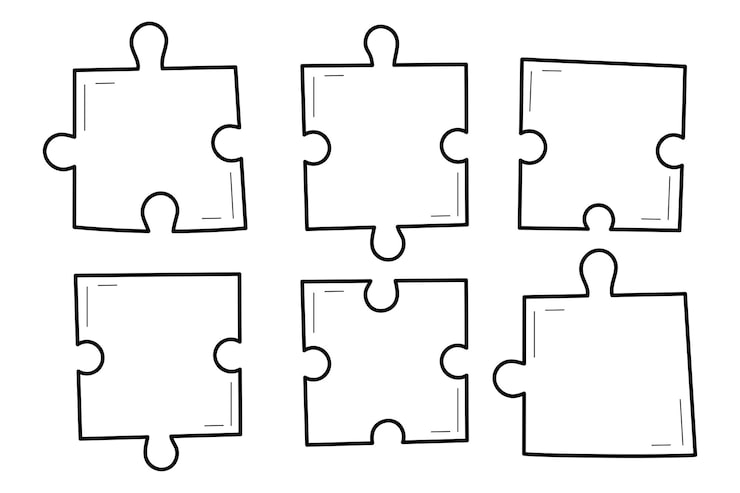
The primary benefit of using these templates is the massive time savings they provide in a busy environment. Teachers can quickly generate custom review games for students by printing a template and writing vocabulary words or math problems directly onto the surface. Because the layout is already precise, the finished product looks clean and functions exactly like a commercial game once the pieces are cut out.
Beyond just saving time, these templates solve the problem of engagement in a classroom or homeschool setting. When children create their own puzzles, they are more invested in the material, turning a static worksheet into a tactile experience. By coloring, labeling, and assembling their own designs, learners practice fine motor skills while reinforcing the specific information they are studying.
Practical Classroom Application
In a classroom setting, you can use these templates to build interactive history or science timelines that students must piece together to understand chronological order. Simply print out a map or a diagram of a cell onto the template, laminate it for durability, and cut along the lines. This transforms a standard lecture into a hands-on activity that helps students visualize the relationship between different parts of a complex system.
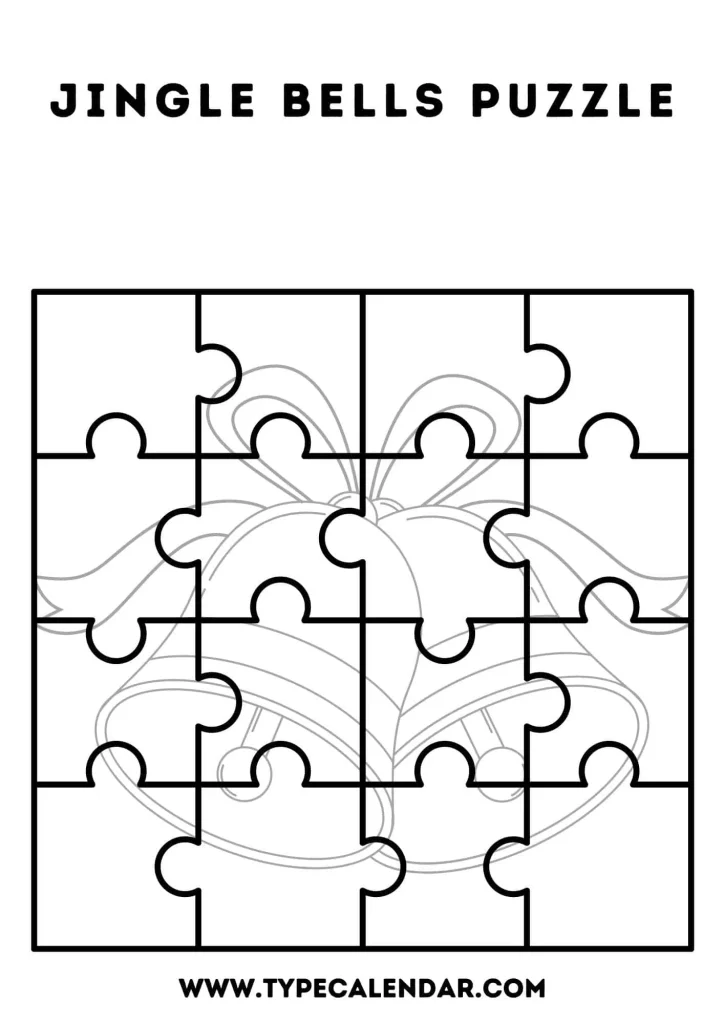
Another effective way to utilize these templates is through the creation of personalized alphabet or number games for younger children. By printing a template and attaching photos of family members or favorite objects to each piece, you create a custom matching game that is far more meaningful than generic store-bought versions. It is a simple, low-cost way to make learning early literacy and numeracy skills feel like a special project.
To get the best results, always print your chosen template on heavy cardstock or thick construction paper rather than standard printer paper. Using a thicker medium ensures that the individual pieces remain sturdy during use and do not bend or tear easily when hands are shuffling them around. If you want the activity to last for several semesters or years, running the page through a laminator before cutting is a wise investment.
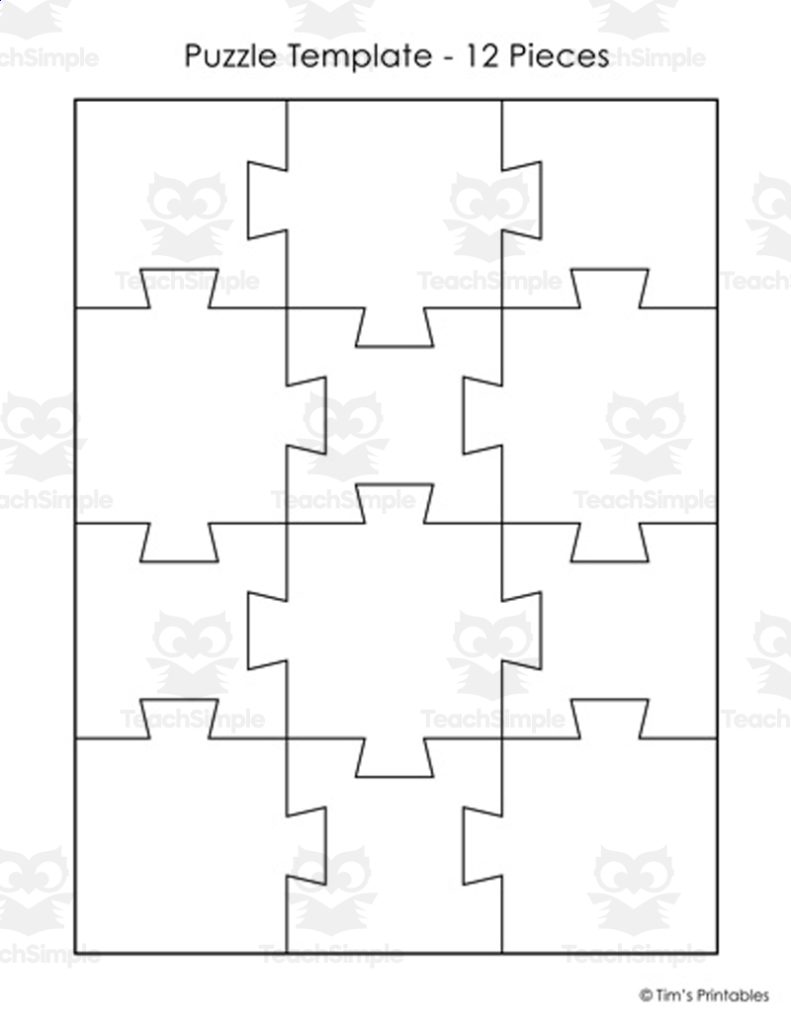
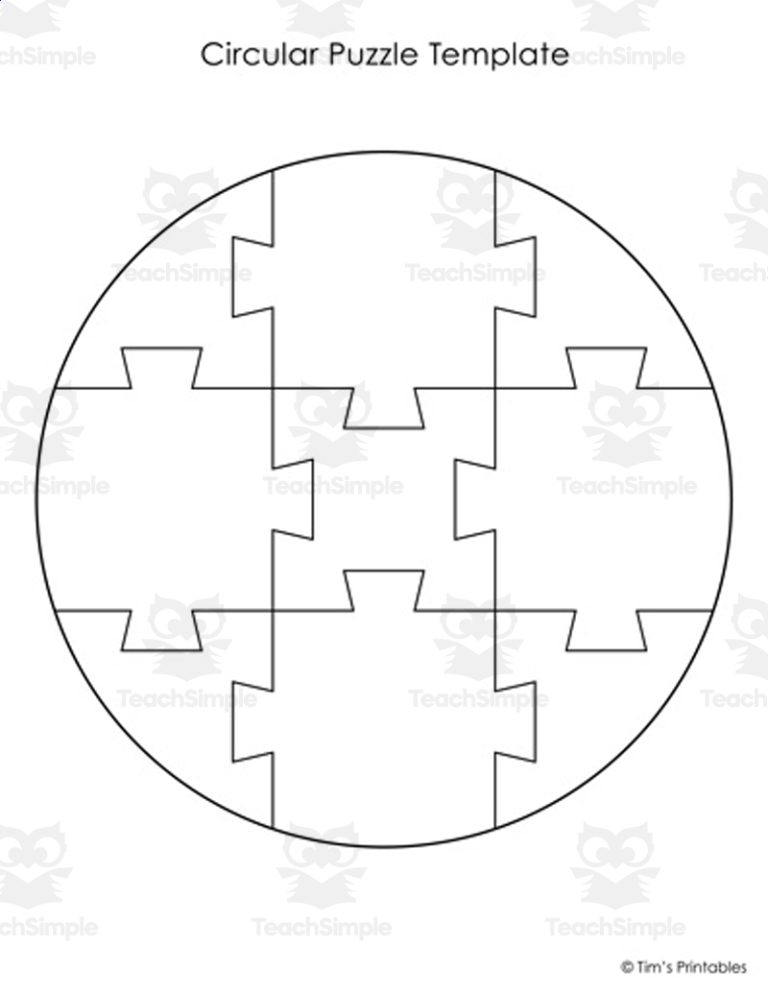
Consider the variety of formats available, such as standard interlocking jigsaw shapes, geometric square grids, or even circular radial puzzles. You might choose a grid-based template if you are designing a word search or a math equation game where the orientation of the pieces matters less than the content. Conversely, traditional jigsaw shapes are better for art-based activities where the final visual image is the primary focus of the assembly process.
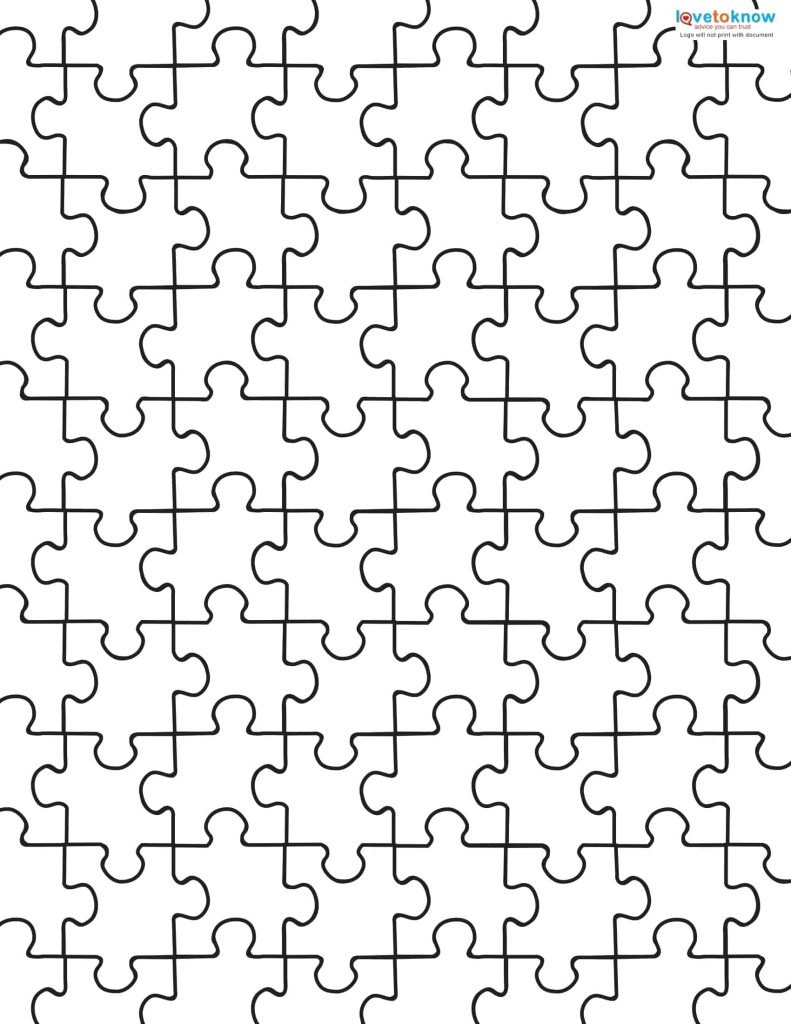
Whether you are planning a rainy day project or designing a complex review game for a final exam, these templates provide the structure you need to succeed. They bridge the gap between a blank slate and a finished, high-quality learning tool. With just a printer, some paper, and a pair of scissors, you can create limitless opportunities for engagement and discovery in any setting.