Picture a child navigating a digital landscape, effortlessly sliding through educational apps and videos. While this high-speed engagement is impressive, a vital question remains: what does a child lose when they never have to slow down, touch, or physically manipulate their learning materials?
Childhood learning has become a predominantly touchscreen experience, characterized by flickering lights, instant feedback, and infinite scrolling. In this digital environment, information is consumed rather than constructed. When we introduce a physical component like a subtraction worksheet within 20, the child does not just receive data; they experience the texture of paper, the resistance of a pencil, and the tangible boundaries of the page layout. This physical interaction transforms the abstract concept of math into a concrete event, anchoring knowledge in the physical world and fostering a deeper, more grounded understanding of how numbers relate to one another.
What Happens When the Brain Learns Through the Hand?
The act of writing triggers a complex neurological dance that digital tapping simply cannot replicate. When a child works on subtraction worksheets within 20, they are practicing fine motor control, hand strength, and precise eye-hand coordination as they form each numeral. This process requires motor planning and bilateral coordination, forcing the brain to organize spatial information while simultaneously calculating the result. By holding the pencil and guiding it through the equation, the child is actively reinforcing the neural pathways associated with math, as the physical effort of forming numbers acts as a mnemonic device that helps lock the calculation into long-term memory.
A printed page provides a fixed spatial map that digital interfaces often obscure through constant motion and resizing. When a student completes a series of math problems on paper, they develop a spatial memory that is anchored to the physical document, remembering exactly where a problem was located or where they made a calculation error. This static environment allows the brain to build a mental map of the learning material, contrasting sharply with the fluid, shifting nature of a scrolling screen. This fixed positioning helps children structure their thoughts, providing a sense of order and continuity that supports the development of complex problem-solving strategies.
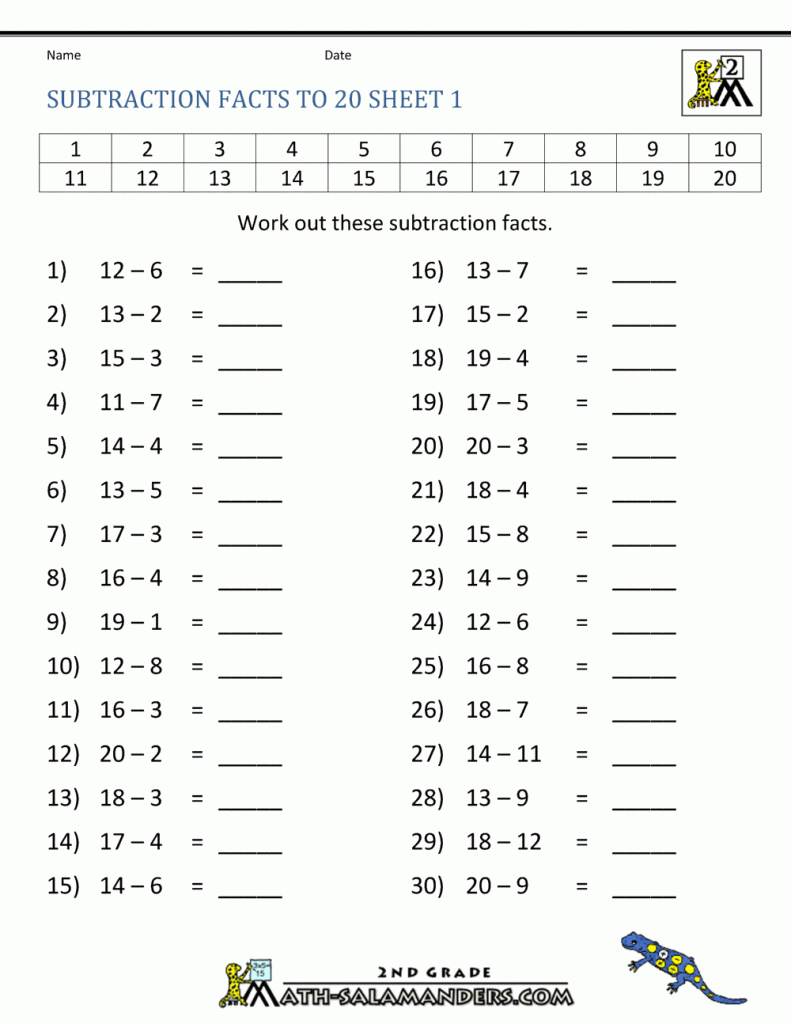
The deliberate pace of paper-based learning offers a necessary counterweight to the rapid-fire nature of modern digital media. When a child works through subtraction worksheets within 20, the physical act of writing slows down their cognitive processing, encouraging them to look, think, and verify their logic at every step. This reduction in environmental distraction allows for sustained attention, which is crucial for moving from surface-level memorization to true conceptual mastery. By removing the urge to click through to the next stimulus, the child learns to sit with a challenge, persist through difficult problems, and experience the satisfaction of a task completed through their own sustained effort.
Why Mistakes Are More Visible on Paper
On paper, a mistake is not just a wrong answer; it is a visible signal that marks the history of a child's learning journey. When a child erases an incorrect calculation or crosses out a number on a worksheet, they are engaging in self-correction that creates a tangible record of their growth. This process of identifying an error, reviewing the steps, and rewriting the correct answer is a powerful metacognitive exercise. Unlike a digital interface that might simply flash a red 'X' and move on, the physical page allows the child to annotate, draw, and keep track of their progress, turning every error into a valuable lesson rather than a fleeting digital failure.
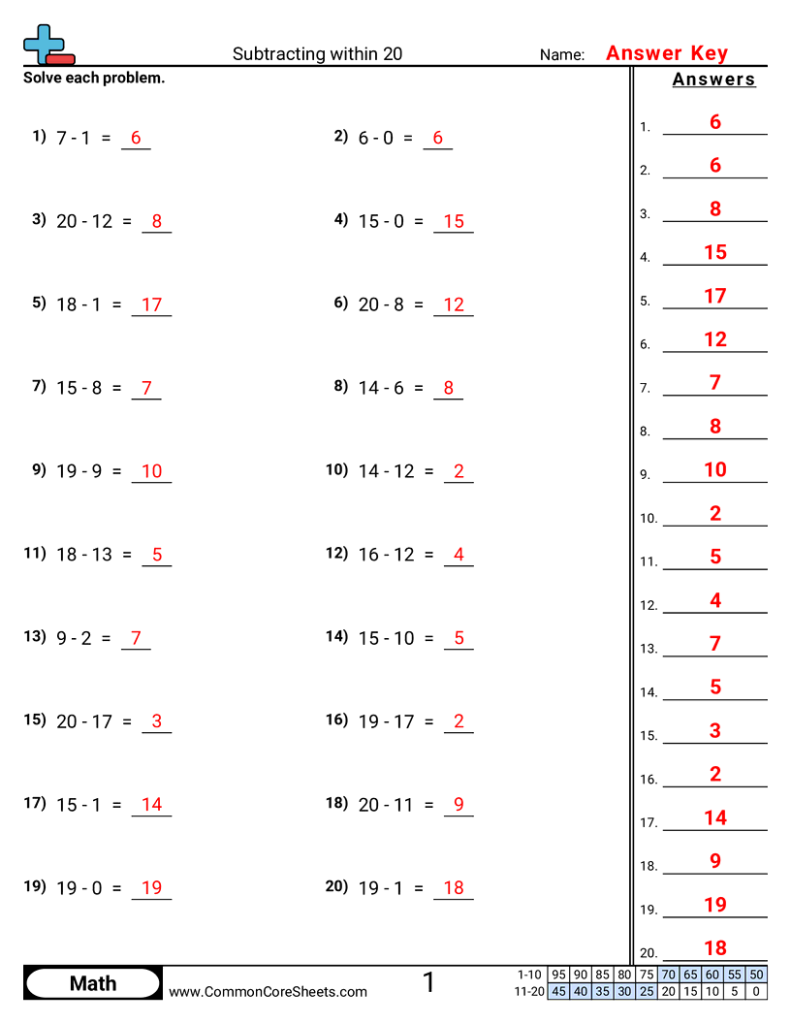
Subtraction worksheets within 20 serve as a perfect developmental tool because they bridge the gap between simple counting and complex arithmetic. By using these worksheets, educators can combine academic practice with sensory development, asking children to visualize numbers through drawing dots or using counting tools alongside the written problems. As the child moves from basic subtraction to more complex equations, the structure of the worksheet helps them organize their logic and visualize the shrinking of a set. This multi-dimensional approach ensures that the child is not just filling in boxes, but is actively engaging their vision, memory, and language to solve real mathematical challenges.
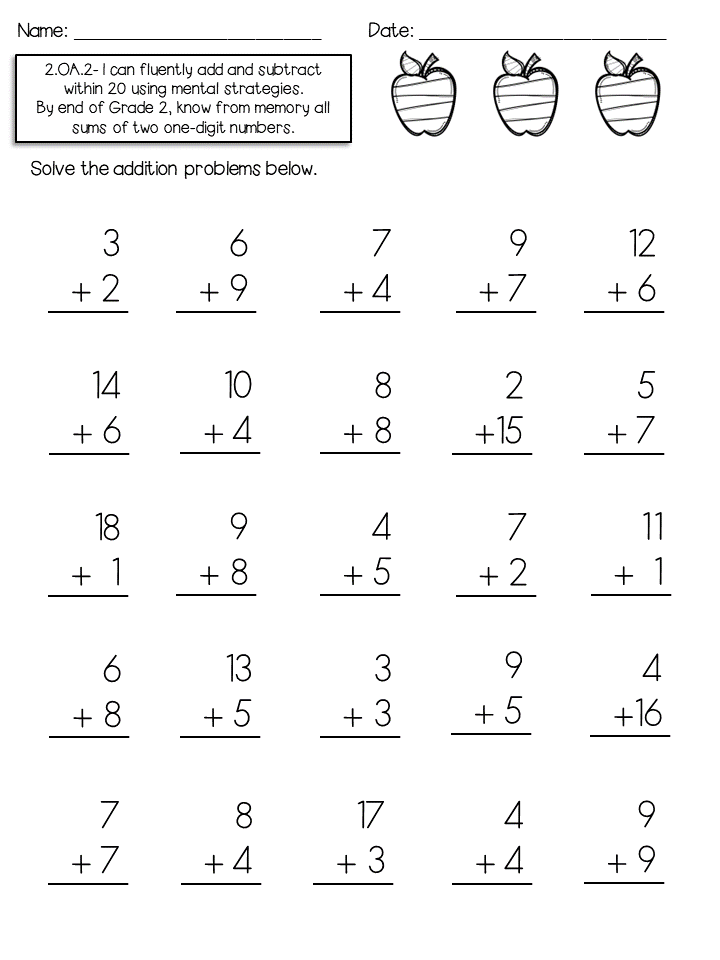
To maximize the impact of paper-based learning, parents and teachers should integrate several effective techniques into the routine. Keep sessions short to maintain peak engagement, and prioritize writing over simple multiple-choice selection to boost motor involvement. Ask the child to explain their thinking aloud, encourage them to annotate the margins with drawings, and most importantly, allow them to grapple with errors before rushing to help. Gradually increase the difficulty as their confidence grows, display their completed work to foster a sense of accomplishment, and always conclude with a brief reflection to solidify what was learned during the session.
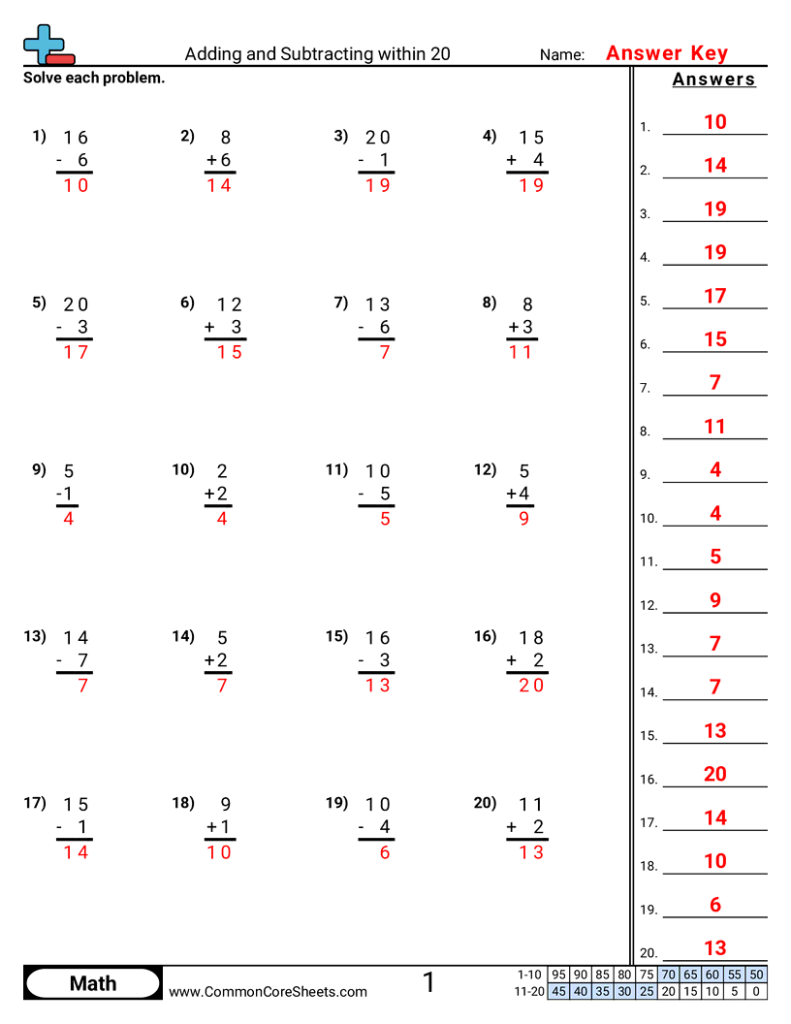
The goal of modern education should not be to replace digital tools, but to cultivate a balanced learner who can navigate both worlds with confidence. By incorporating physical subtraction worksheets within 20 alongside digital resources, we help children develop the cognitive flexibility required to concentrate without constant stimulation and solve problems through multiple sensory channels. Our children do not need to choose between technology and paper; they need opportunities to develop the versatility to use both well. Ultimately, raising a capable student means fostering the ability to organize ideas physically, persist through complex tasks, and integrate traditional and modern methods into a cohesive, highly effective learning ecosystem.