Finding the perfect name coloring pages to print can turn a simple afternoon activity into a powerful developmental tool. While the concept seems universal, a page that delights a toddler might frustrate a kindergartner or bore an older child, making age-appropriate selection vital for success.
It is a common misconception that all children approach a coloring sheet with the same level of dexterity and focus. A coloring page that is perfectly calibrated for a three-year-old often features thick, bold lines and massive spaces, which would be far too simplistic to challenge an eight-year-old child. Conversely, a design meant for a teenager, characterized by intricate, tiny patterns, would likely overwhelm a preschooler who is still refining their basic grasp on a crayon. Understanding that developmental milestones differ across ages helps parents choose activities that provide just enough challenge to encourage growth without causing unnecessary discouragement.
What Makes a Coloring Page Age Appropriate?
Several technical factors define the complexity of a coloring sheet, starting with the number of details and the visual density of the design. A page with many small, segmented areas requires a high degree of precision and pencil control that younger children have not yet developed. Furthermore, the thickness and complexity of the lines play a significant role in accessibility, as thinner lines demand greater hand-eye coordination to stay within the boundaries. Parents should also consider the familiarity of the subject matter, as children are naturally more engaged when they can easily identify the shapes and themes presented on the page.
Attention span is another critical metric when assessing whether a printable activity is right for a specific child. Younger children typically require a project that can be completed in a single short sitting to avoid frustration or loss of interest. As children mature, they develop the patience to work on more complex projects over longer periods, allowing them to tackle pages that include intricate patterns or multiple scenes. By evaluating the required physical control alongside the cognitive demand of the image, parents can better predict if a specific coloring sheet will foster a sense of accomplishment or result in a discarded piece of paper.
Name Coloring Pages for Toddlers and Young Preschoolers
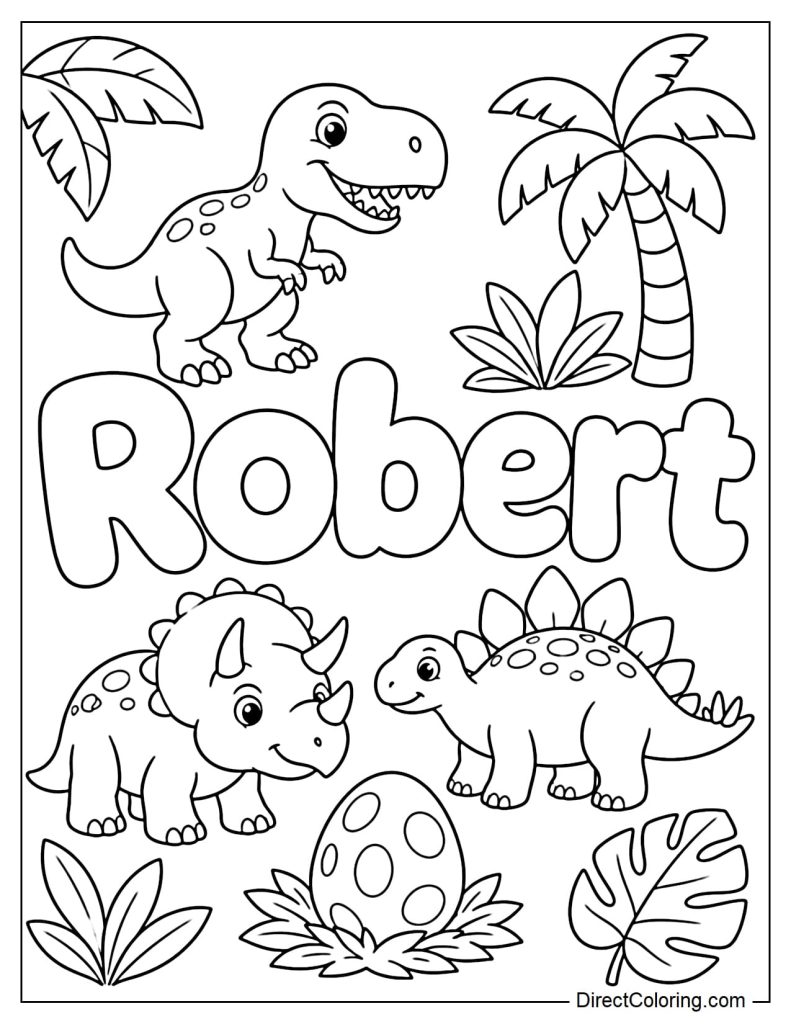
For toddlers and young preschoolers, the primary goal of any creative activity should be sensory exploration and the development of basic fine motor skills. When looking for name coloring pages to print for this group, prioritize designs that feature large, thick-lined bubble letters with plenty of negative space around them. At this stage, accuracy is less important than the simple act of putting color to paper, so these designs should be inviting and forgiving of stray marks. Focus on sheets that allow the child to experiment with color combinations without the pressure to stay perfectly inside the lines, as this builds confidence in their ability to express themselves.
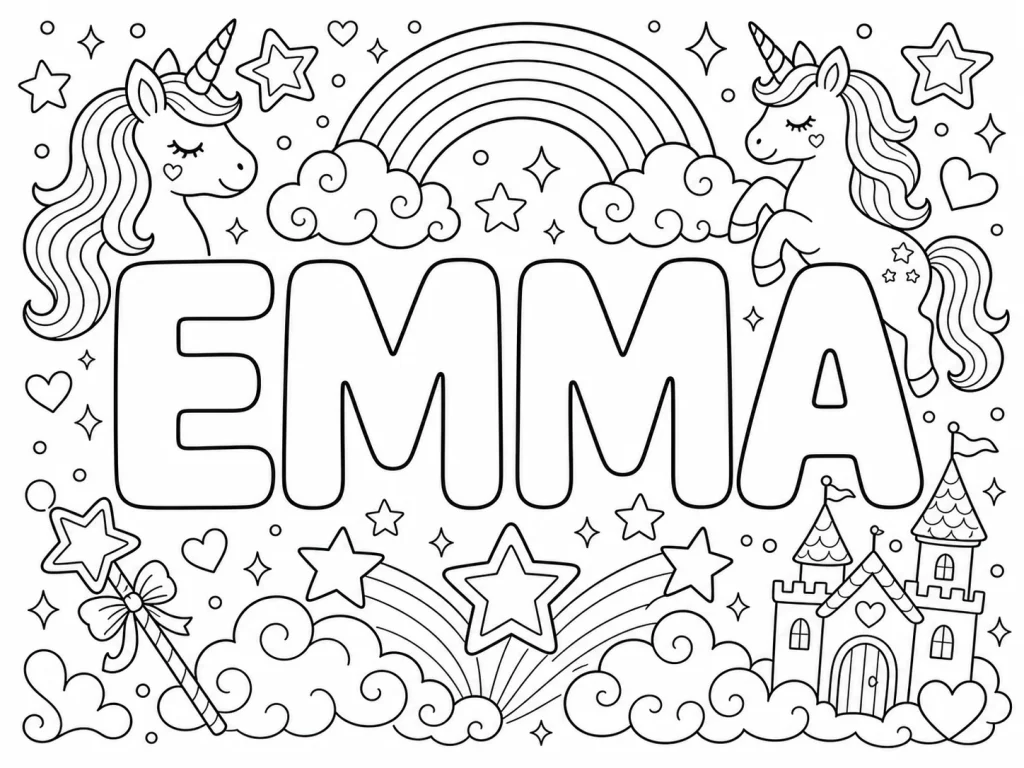
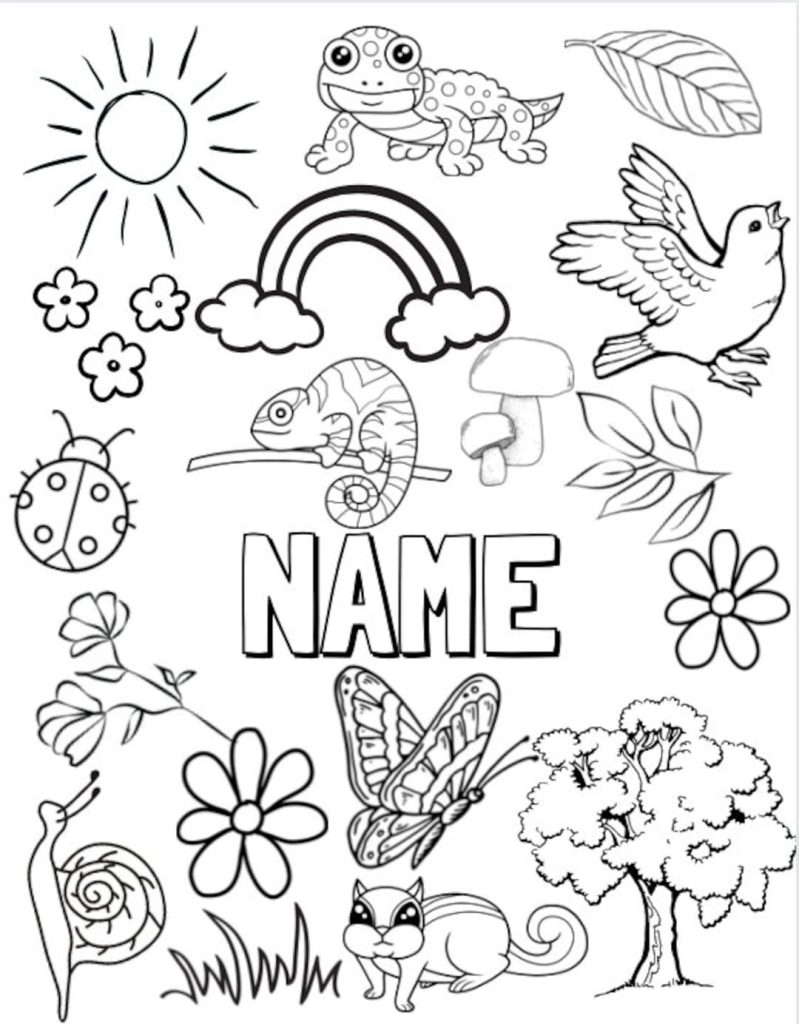
As children transition into preschool and kindergarten, their ability to control a writing implement improves, allowing for slightly more defined tasks. Name coloring pages designed for this age group often incorporate simple, recognizable shapes or icons surrounding the letters, such as stars, hearts, or flowers. These additions introduce basic thematic elements that help the child connect their name to familiar concepts. Because these children are usually learning to recognize the alphabet, having their name in large, clear block print serves as both a creative outlet and a helpful educational tool for literacy reinforcement.
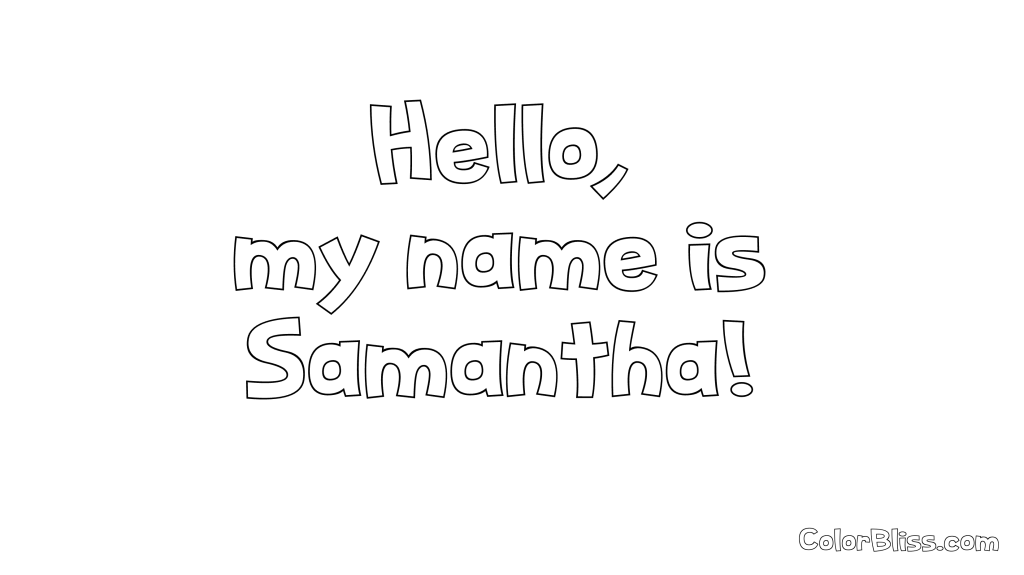
By the time children reach early elementary school, coloring pages can become significantly more detailed and thematic to reflect their expanding knowledge base. These children can handle thinner lines and smaller spaces, making it possible to include complex patterns inside the letters or detailed borders around the name. You might look for sheets that incorporate elements of science, geography, or history, such as letters designed to look like space rocks or jungle vines. This integration allows the child to practice their artistic skills while engaging with subjects they find personally interesting, turning a routine coloring session into an opportunity for thematic learning.