Whether you are planning a farm-themed unit study or simply satisfying a child’s curiosity about barnyard animals, understanding the anatomy of a cow is a fantastic place to start. This guide breaks down the essential parts of a bovine, making biology accessible and engaging for all ages.
Understanding the Anatomy of a Cow
When we look at the anatomy of a cow, we are really exploring how a large ruminant survives and thrives. This structure includes complex systems like their four-compartment stomach, which allows them to digest tough grasses, and their unique hoof structure that supports their significant body weight. By studying these parts, students gain a better appreciation for animal physiology and the specific adaptations that make cows such remarkable creatures.
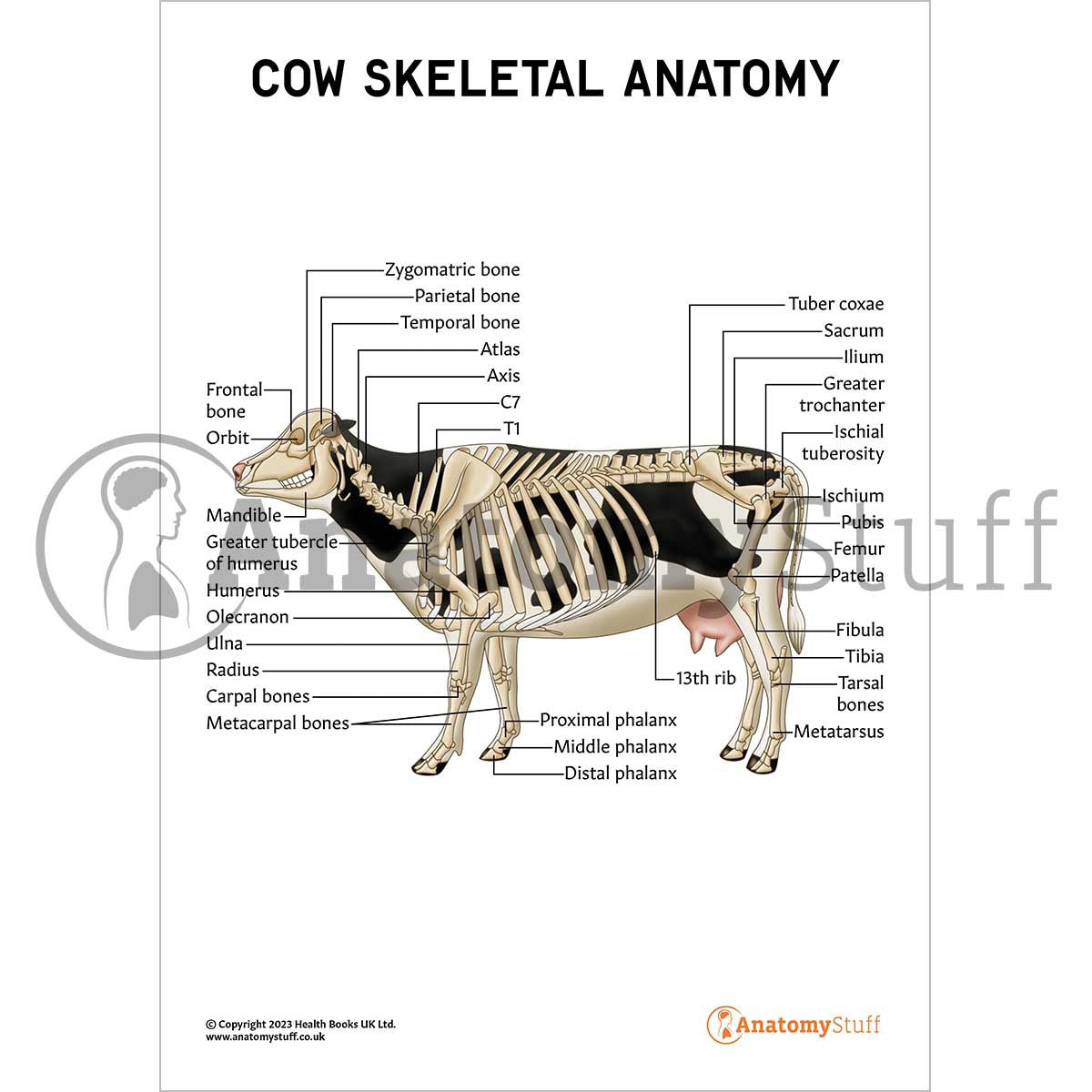
A comprehensive anatomy printable typically highlights both external features and internal biological systems. Externally, you will find labels for the muzzle, poll, brisket, flank, and hock, which are all standard terminology for animal husbandry. Internally, resources often focus on the digestive tract, illustrating how the rumen, reticulum, omasum, and abomasum work in sequence to break down plant fibers.
For teachers and parents, these resources are incredibly versatile tools that go beyond simple identification. You can use a labeled diagram as a base for a cut-and-paste activity, where children place names onto the correct parts of the animal. This hands-on approach reinforces memory retention and makes the learning process feel more like a game than a formal lesson.
Practical Classroom and Home Use
If you are running a homeschool session, try using the anatomy of a cow as a bridge to discuss agriculture and food science. You can ask students to research why certain breeds are raised for dairy while others are raised for beef, relating the body composition to their specific purpose. This creates a meaningful connection between biology and the real world, showing how anatomy dictates the function of the animal in our society.
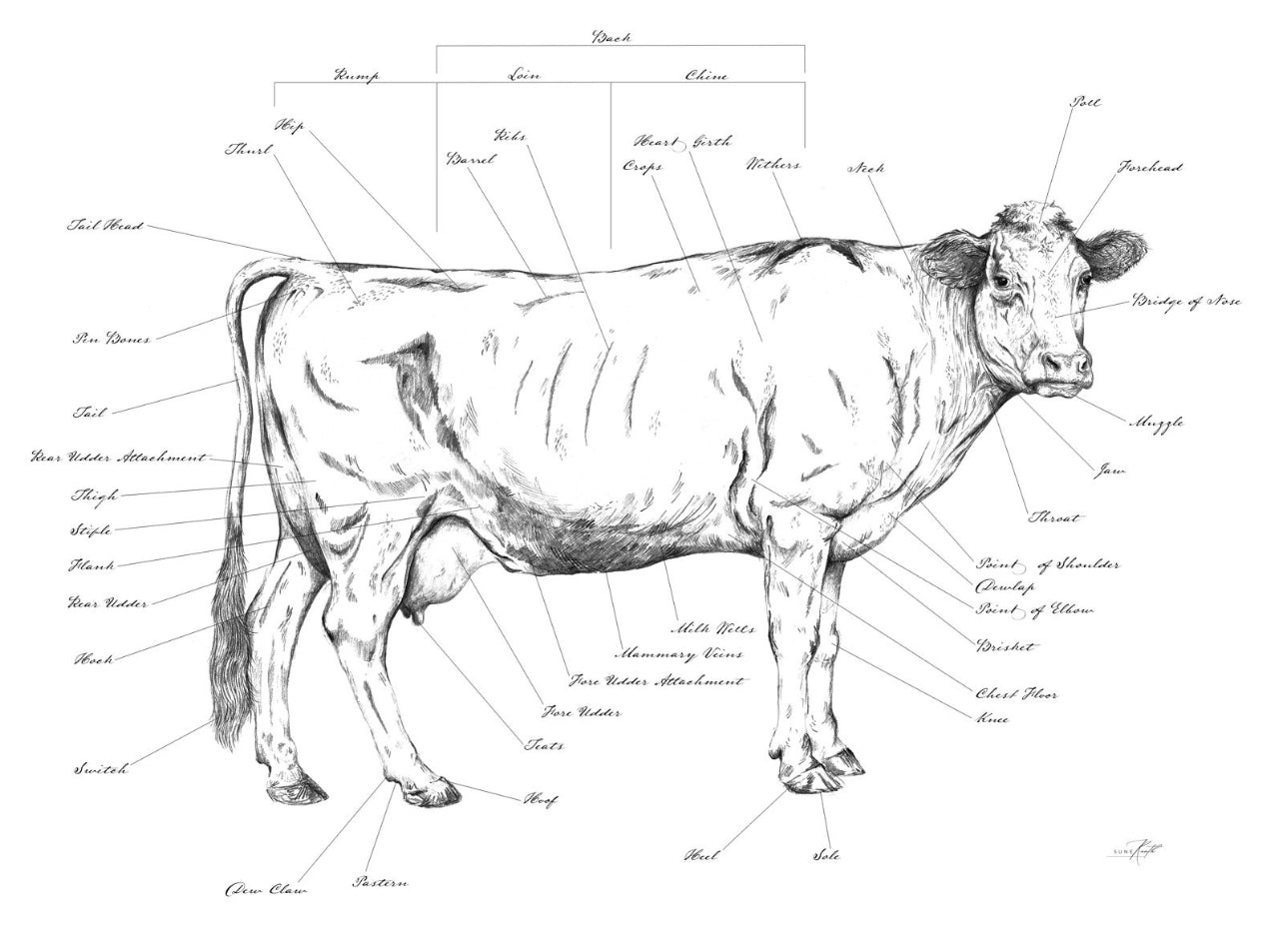
Another effective way to utilize these guides is through comparative anatomy exercises. Have your students compare the cow to other animals they know, such as a horse or a dog, looking for similarities in bone structure. This develops critical thinking skills as they notice how a cow’s jaw is designed for grinding grass versus the sharper teeth of a predator, which is a key concept in understanding biological niches.
When printing these materials, it helps to choose high-quality graphics that are clear and uncluttered. I always recommend printing on heavier cardstock if you plan to use the sheets repeatedly in a classroom center or for a library display. Laminating them is another great trick, as it allows students to use dry-erase markers to label the parts over and over again without ruining the paper.
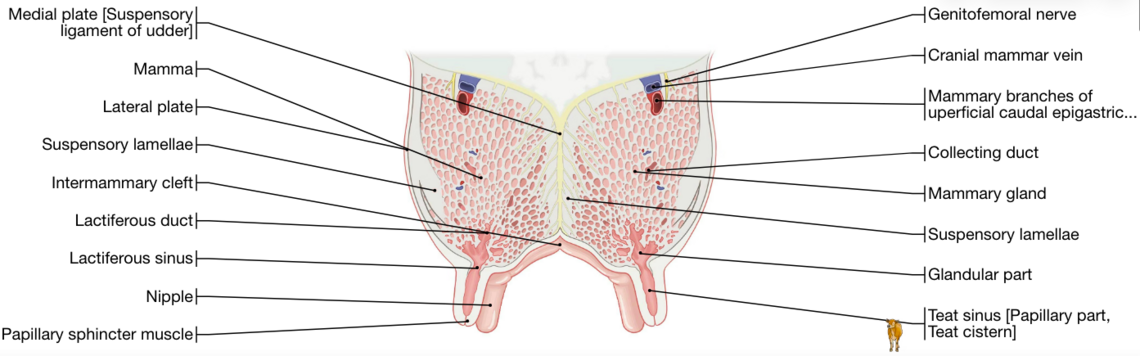
In real-world settings, such as a 4-H club or a field trip to a working dairy farm, these printables serve as a perfect pocket guide. Children can look at the physical animal and try to identify the structures they just learned about on paper. Seeing the brisket or the hock in person turns an abstract diagram into a tangible, memorable experience that usually sticks with them long after the trip is over.
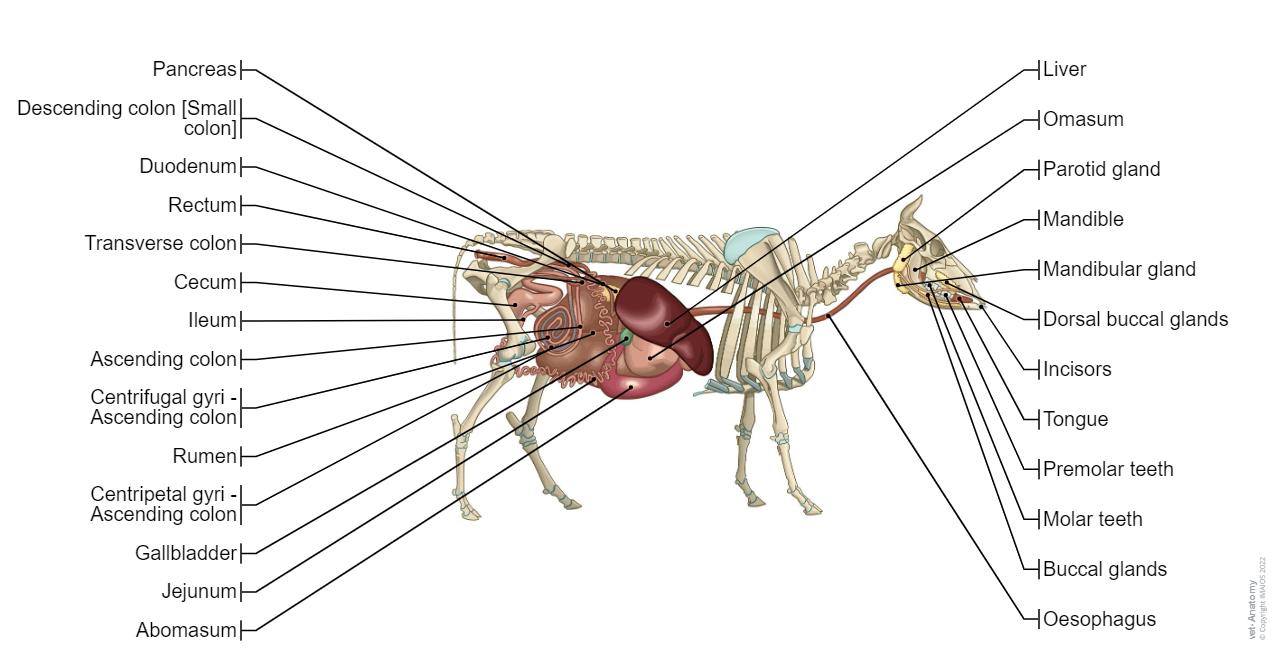
Ultimately, the goal is to make science feel approachable and exciting. By breaking down the complex anatomy of a cow into manageable, illustrated pieces, you are providing a foundation for curiosity that can last a lifetime. Whether you are in a bustling classroom or sitting at the kitchen table, these simple resources can turn a basic biology lesson into a wonderful adventure.