
Managing cardiovascular health starts with consistent monitoring at home. Using free printable blood pressure logs allows patients to track their numbers accurately, providing doctors with the essential data needed to make informed decisions about long-term wellness and medication adjustments.
The Importance of Free Printable Blood Pressure Logs
A high-quality tracking sheet provides a structured way to record systolic and diastolic readings along with your pulse rate. These free printable blood pressure logs often feature dedicated columns for the date, time of day, and specific notes regarding medication or lifestyle factors like exercise or stress. By keeping this information in one centralized location, you eliminate the guesswork often associated with recalling previous measurements during a brief office visit.
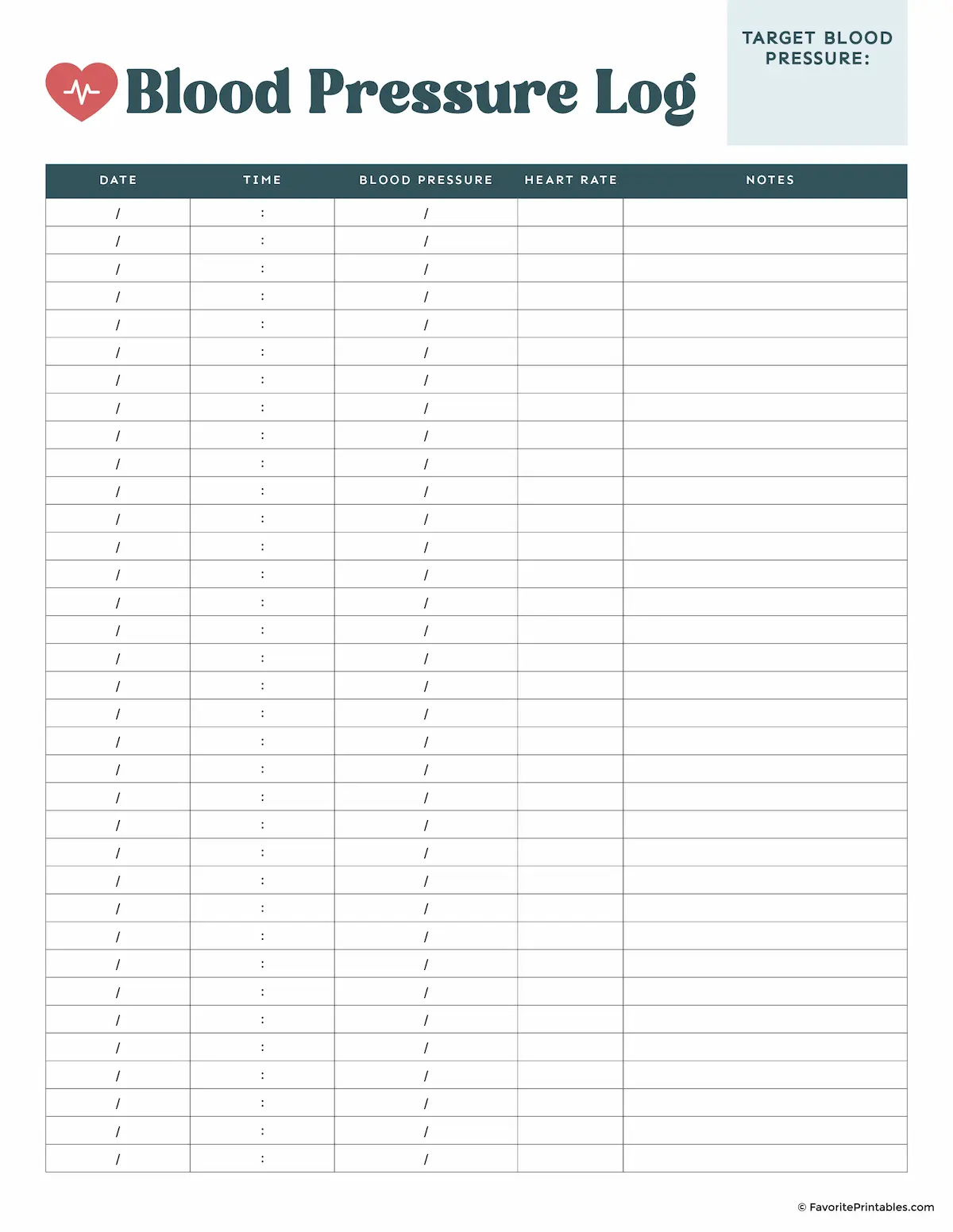
These logs are particularly useful during seasonal transitions or high-stress periods, such as the holiday season, when dietary changes and busy schedules can impact heart health. Having a physical record helps you visualize how specific daily activities or environmental changes correlate with your cardiovascular performance over several weeks. It turns abstract numbers into a tangible narrative that empowers patients to take an active role in their own diagnostic process.
In clinical settings, these logs serve as a bridge between patient and provider, ensuring that healthcare teams have a comprehensive snapshot of your health outside the sterile environment of a doctor's office. This reduces the effect of white-coat hypertension, where readings are falsely elevated due to nervousness, by showcasing your genuine, relaxed baseline measurements from the comfort of home.
Strategies for Effective Health Tracking
To make the most of your log, try to record your readings at the exact same times every day, typically once in the morning and once in the evening. Creating a consistent routine helps you account for natural biological fluctuations that occur throughout the day, such as temporary spikes after caffeine intake or vigorous physical activity. Always sit quietly for five minutes before taking a measurement to ensure your body is truly at rest, which provides the most accurate reading.
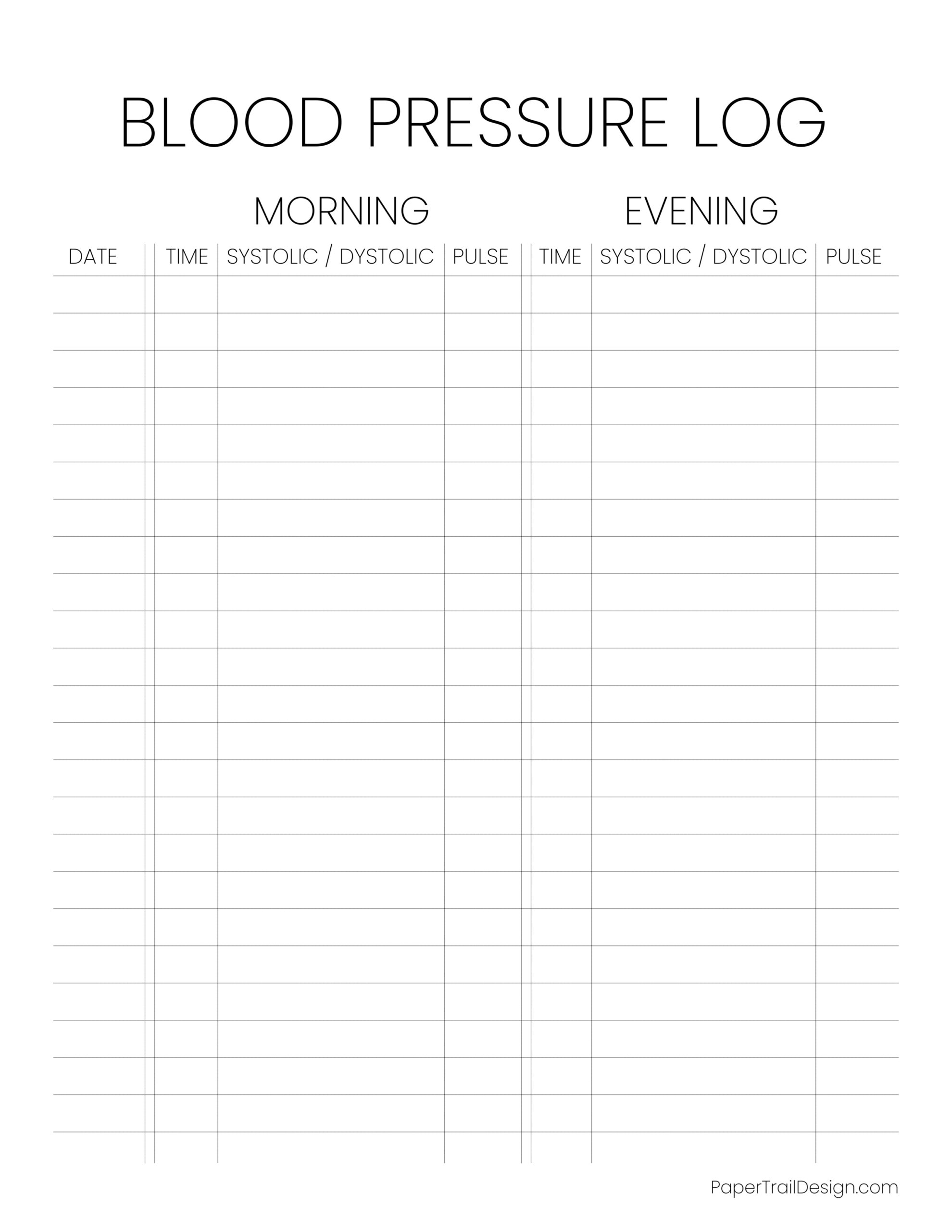
Consider using color-coded highlighters to mark readings that fall outside your target range, which makes it easier to spot trends over time. If you notice a consistent upward shift, you can use the notes section of the log to document potential triggers like high-sodium meals or lack of sleep. Sharing these annotated logs with your primary care physician during your next checkup allows for a much more productive and data-driven conversation about your health goals.
If you are a visual learner, you can even transfer your log data into a simple line graph to track progress visually. This method is excellent for family members who are helping an aging relative manage their health, as it provides a clear, easy-to-read chart that highlights improvement over months of dedicated tracking. Whether you are using a basic table or a more detailed daily diary, the goal remains the same: building a reliable database of your cardiovascular history.
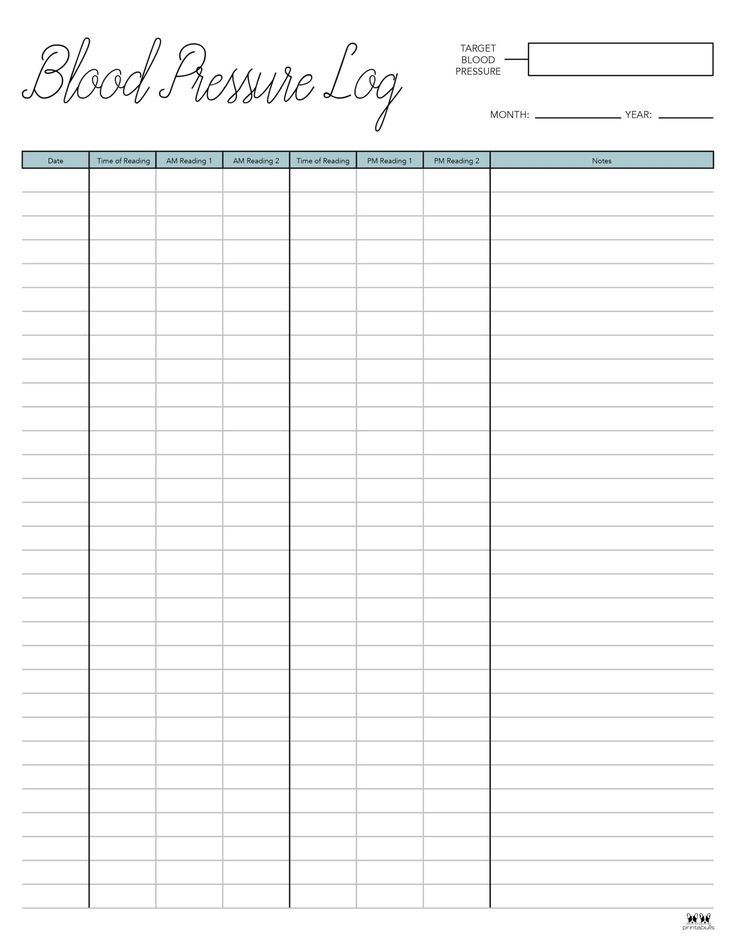
When choosing your layout, look for options that include space for recording your mood or activity levels alongside the numerical data. For example, noting that you took a thirty-minute walk before your afternoon reading can help you see the positive impact of exercise on your vascular resistance. These small, consistent entries provide a comprehensive picture that goes far beyond a single doctor visit, making it easier to adjust your lifestyle choices based on real, evidence-based results.
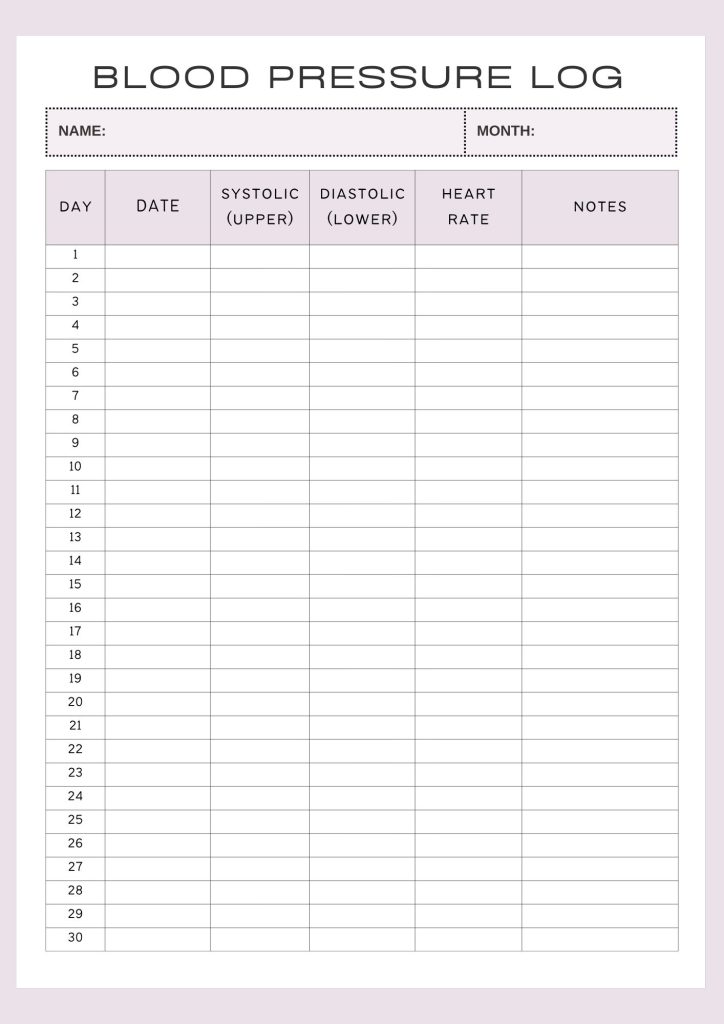
Maintaining your heart health is a lifelong journey, and having the right tools makes the process feel much more manageable. By keeping your records updated and organized, you gain the confidence to communicate effectively with your medical team and advocate for your own well-being. Start your habit today by finding a format that feels intuitive to you, and watch how this simple daily practice leads to a clearer understanding of your body and its unique needs.