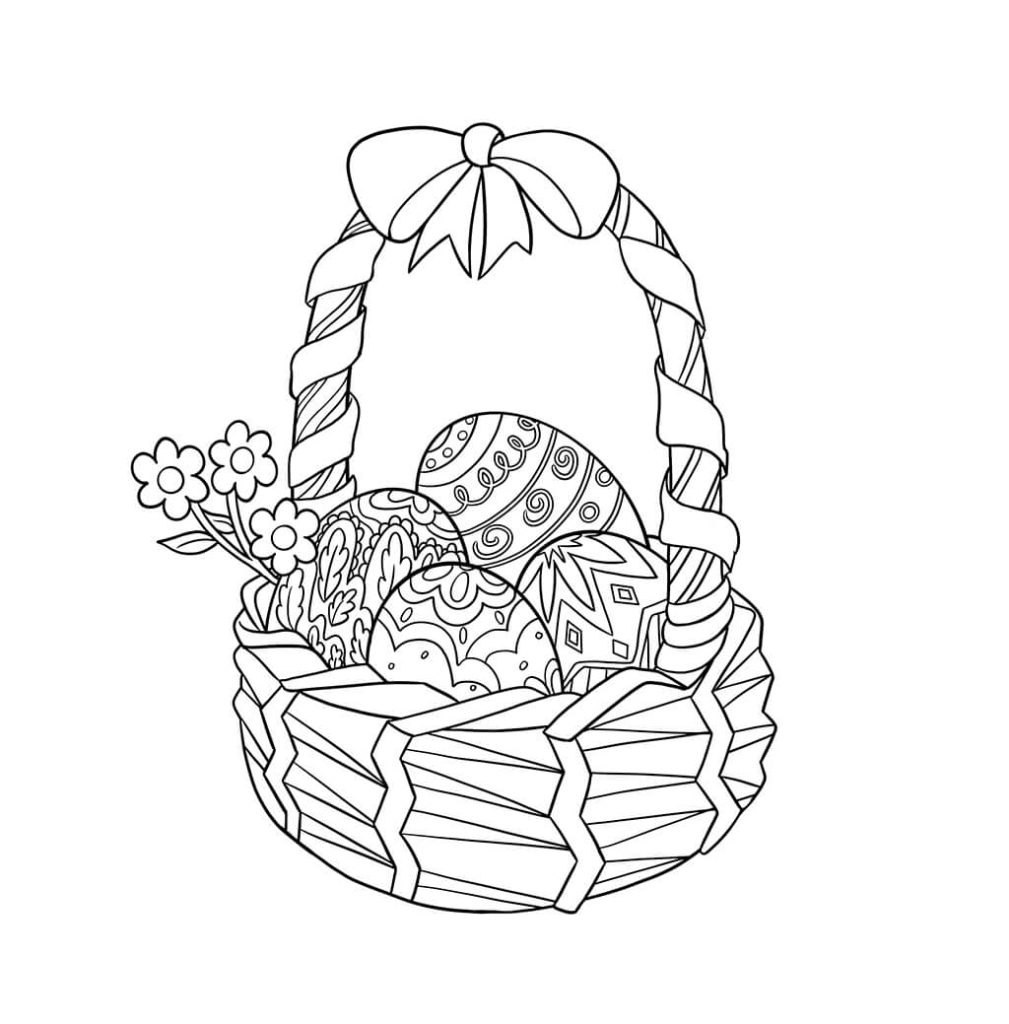
Children often approach visual exercises with far more enthusiasm than traditional written assignments because they feel less like a test and more like an exploration. By engaging in the concept of learning through doing, children retain information more effectively during creative tasks.
When a child sits down with paper and crayons, they are entering a state of active focus that facilitates cognitive growth. Unlike staring at a textbook, using Easter coloring book pages invites the child to physically engage with the content on the page, bridging the gap between passive observation and active memory retrieval. This tactile interaction turns the simple act of filling in a space into a foundational experience where complex concepts become tangible and easy to digest.
What Makes an Educational Coloring Page Different?
An educational coloring page differs from a standard activity sheet by utilizing deliberate visual cues that reinforce a specific learning objective. While a generic drawing might merely occupy time, a purposeful illustration embeds information within the lines, such as mathematical symbols or linguistic structures. By focusing on intentional design, these pages transform from mere entertainment into scaffolded learning opportunities that support a child's developmental journey through visual representation.
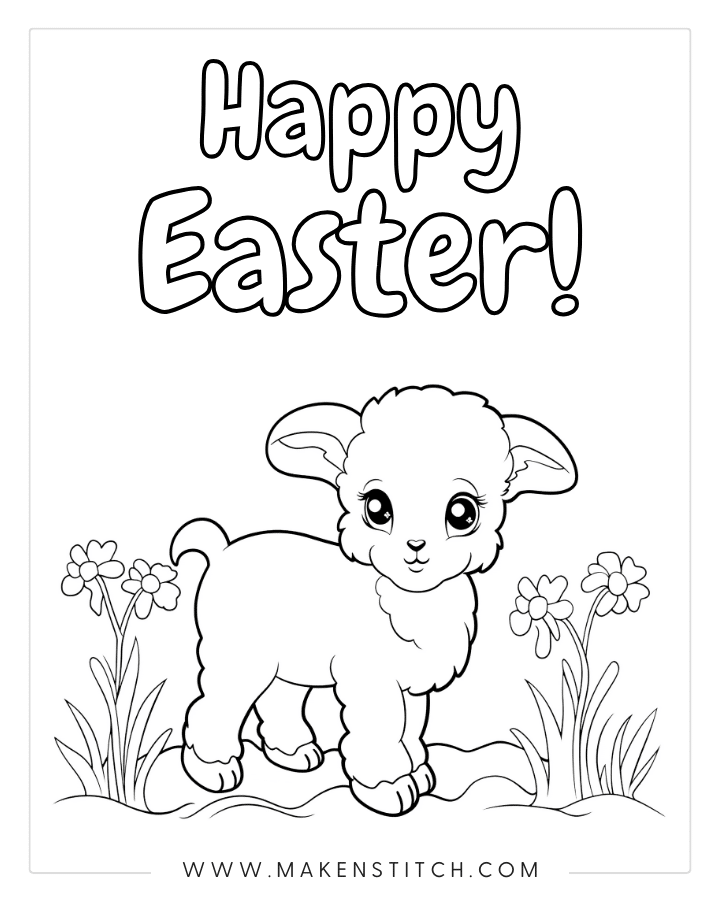
For early literacy, Easter coloring book pages can be designed to include large, bubble-letter characters that represent the initial sounds of seasonal words like egg, basket, or bunny. By tasking a student with coloring only the shapes that begin with a specific phonetic sound, the activity reinforces picture-word associations and phonemic awareness. This approach allows children to practice letter recognition in a low-pressure environment where the visual reinforcement of the character serves as an anchor for their growing vocabulary.
Coloring Pages for Early Math
Mathematics comes to life when students use coloring pages to identify geometric shapes hidden within an Easter egg or to practice counting by filling in specific groups of items. Teachers can create pages that require students to color by number, using a key to reveal a hidden pattern or color sequence that reinforces visual classification. These exercises teach children to observe numerical relationships and spatial patterns, turning a festive drawing into a hands-on math lesson that feels like an enjoyable game.
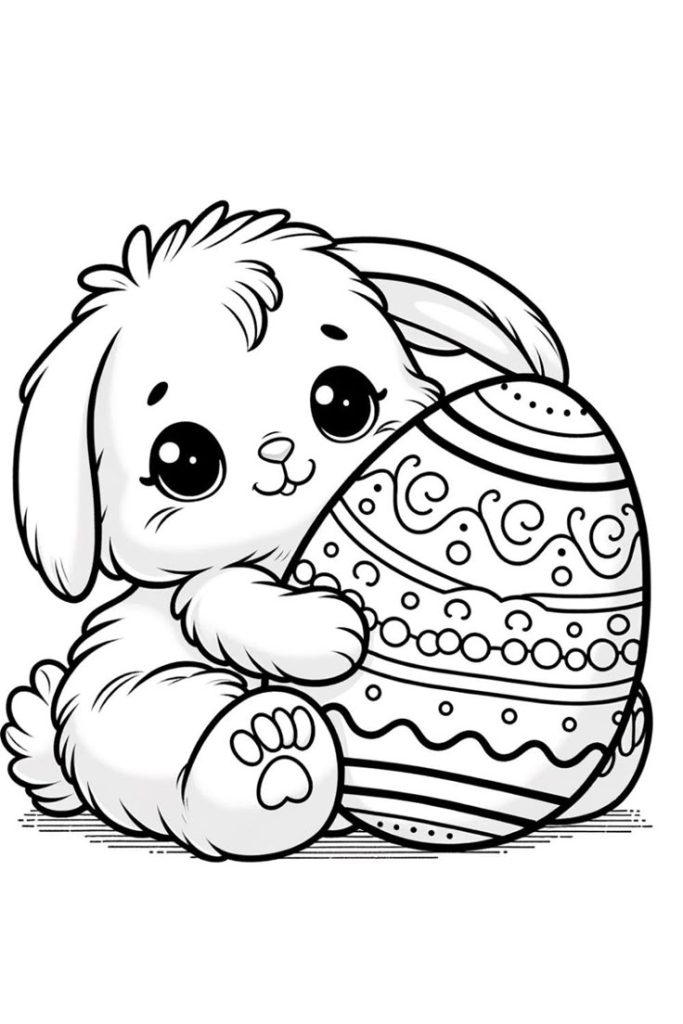
In the realm of science, Easter-themed pages provide excellent opportunities to discuss the life cycles of animals like birds or the seasonal changes associated with spring. Educators can utilize diagrams of plants sprouting or weather patterns to help children visualize scientific processes without needing a formal laboratory setting. By labeling these biological stages on the page, the coloring activity acts as a visual map that helps students organize their understanding of natural phenomena such as growth, seasonal transitions, and animal habitats.
Beyond academic subjects, these pages offer a unique space for social and emotional learning by depicting scenes of sharing, kindness, or inclusive holiday routines. When a child colors a scene showing friends trading eggs or helping someone find a hidden prize, it provides a prompt to discuss empathy, patience, and positive classroom behavior. These illustrations serve as a gentle, non-clinical backdrop for meaningful conversations about building relationships and understanding the emotions of others in a social setting.