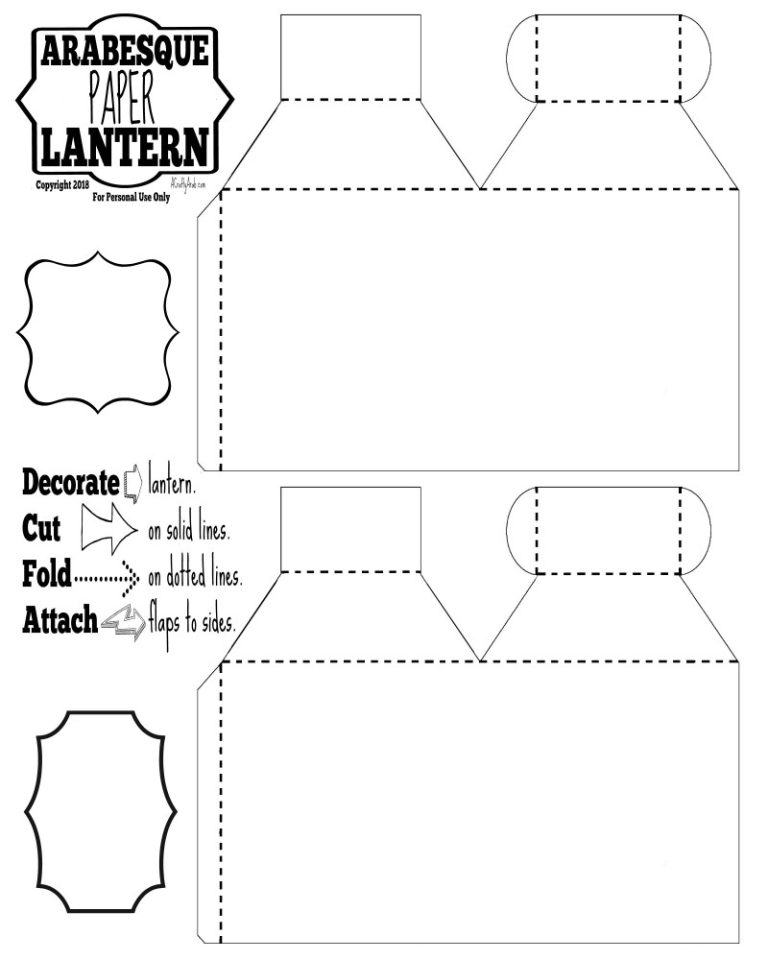
A printable leprechaun hat template is a versatile educational resource that provides a structured outline for children to color, cut, and assemble a festive headpiece. By bridging the gap between artistic play and focused fine-motor development, it serves as an excellent tool for themed lessons.
What Is a Printable Leprechaun Hat Template?
A printable leprechaun hat template is essentially a digital file, often in PDF format, that features the two-dimensional silhouette of a top hat. When printed, it acts as a stencil or guide that children can decorate, trim, and fold into a wearable accessory. This activity typically involves selecting materials like construction paper or cardstock, using scissors for precise cutting, and applying adhesives to secure the hat’s band or decorative elements.
What Skills Does a Printable Leprechaun Hat Template Help Children Practice?
From an academic perspective, this activity reinforces spatial awareness and geometry as children navigate the dimensions of the flat template to create a three-dimensional object. Developmentally, the process is a masterclass in fine motor skills, specifically hand-eye coordination and the strengthening of pincer grasps required for cutting and glueing. Furthermore, the task encourages patience and focus, as children must follow sequential steps to achieve a successful final result.
This activity functions through the principle of embodied cognition, where physical manipulation of objects helps cement conceptual understanding. By interacting with the materials, children receive immediate sensory feedback—the tactile sensation of paper, the resistance of scissors, and the visual result of their color choices. This multi-sensory engagement strengthens memory retention, as the physical act of building the hat creates a stronger mental association with the cultural themes being taught.
A printable leprechaun hat template is most effective for children between the ages of four and eight, a period where fine motor control is rapidly evolving. For younger children, caregivers can provide pre-cut shapes to focus on decoration, while older students can practice measuring their own head circumference to customize the fit. Regardless of age, the complexity should match the child's ability to handle tools safely and their interest in the subject matter.
The duration spent on this activity should mirror the child’s engagement level rather than a rigid clock. For a preschooler, fifteen to twenty minutes of focused work is appropriate, while an older child might spend forty minutes if they choose to add complex details like glitter, foam clovers, or gold coins. The goal is to sustain attention through the creative process, ensuring the child feels accomplished rather than rushed or overwhelmed by the task.