A child may appear to be doing nothing more than filling spaces with color, but several different skills are involved in the process. Using flower vase coloring pages is a bridge between a simple screen-free activity and a complex exercise in cognitive and physical development.
When a child engages with a coloring sheet, they are participating in far more than a casual pastime. This activity serves as a bridge between simple motor play and complex cognitive engagement, allowing children to practice essential developmental skills in a low-pressure environment. While it looks like quiet fun, it is actually a foundational practice session for the coordination and executive function skills that will serve them throughout their academic lives.
Coloring Starts With the Hands
The physical act of manipulating a crayon requires a sophisticated level of fine motor control that develops gradually through repetition. When a child holds a tool, they are practicing their pincer grasp and strengthening the tiny muscles in their fingers and hands, which is essential for future tasks like writing. Furthermore, the constant adjustments needed to color a specific area involve complex wrist movements and hand-eye coordination that allow the child to translate what they see into physical action on the page.
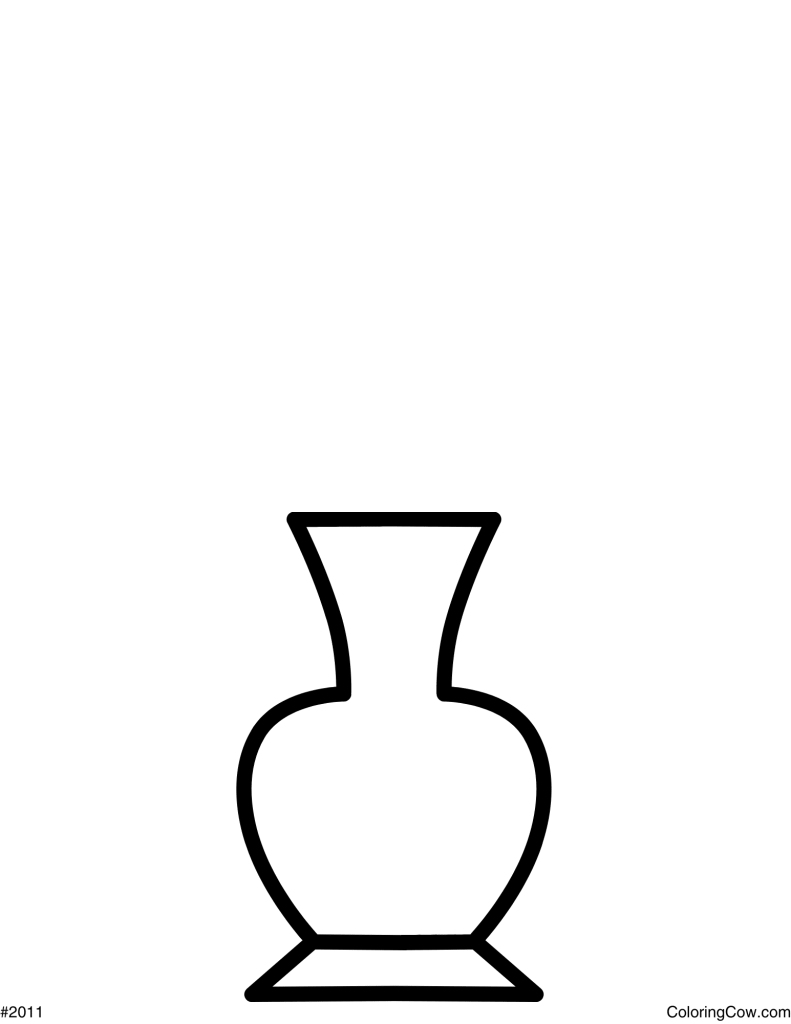
Every time a child reaches for a specific shade to complete their flower vase coloring pages, they are engaging in a series of rapid-fire executive decisions. They must consider which colors look harmonious, where to begin the coloring process, and how much pressure to apply to achieve the desired saturation. If a child makes a mark that they do not like, they must immediately pivot to decide whether to incorporate it into a pattern or find a way to work around it, fostering an early sense of agency and independent thinking.
Staying Inside the Lines Is More Than a Rule
While perfection is not the goal, the challenge of staying within boundaries is a powerful exercise in visual-motor coordination. This task requires a child to observe the lines, calculate the necessary space, and slow their hand movements as they approach an edge. By learning to modulate their pace, they develop spatial awareness, which is the ability to understand where their physical body and their tools exist in relation to the two-dimensional space of the paper.
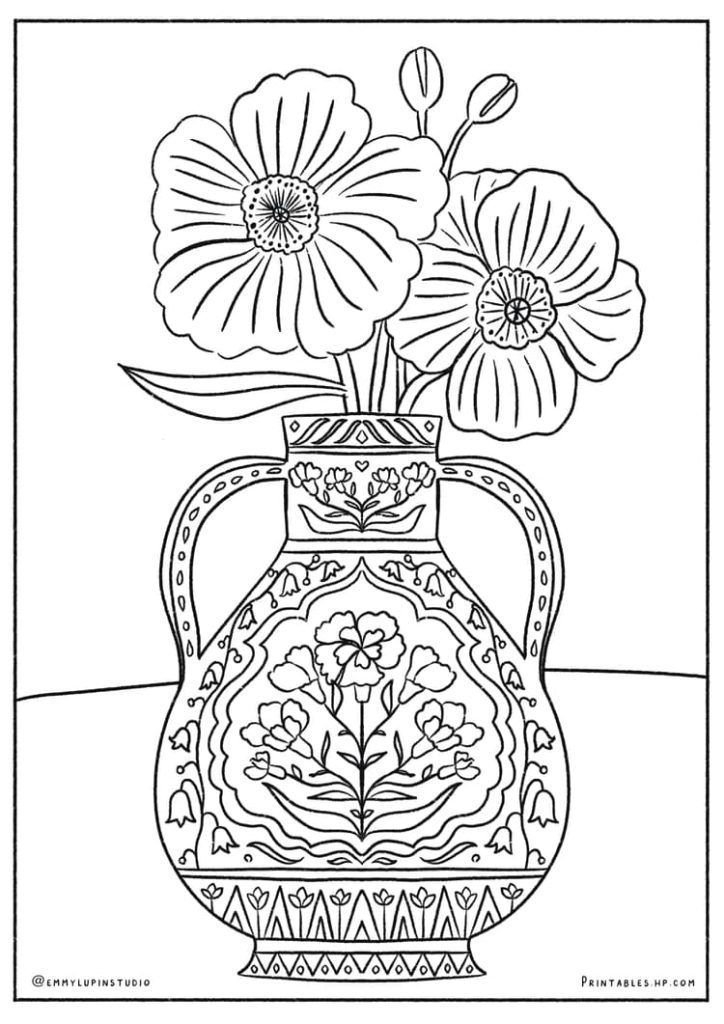
Creativity thrives when there is no single correct way to fill in a printable coloring page. Unlike a worksheet that demands a specific answer, these artistic exercises allow children to experiment with color theory, personal expression, and stylistic choice. When a child decides that their vase should be purple or their flowers should be neon green, they are building confidence in their own aesthetic judgment and learning that their unique perspective has value in a tangible format.
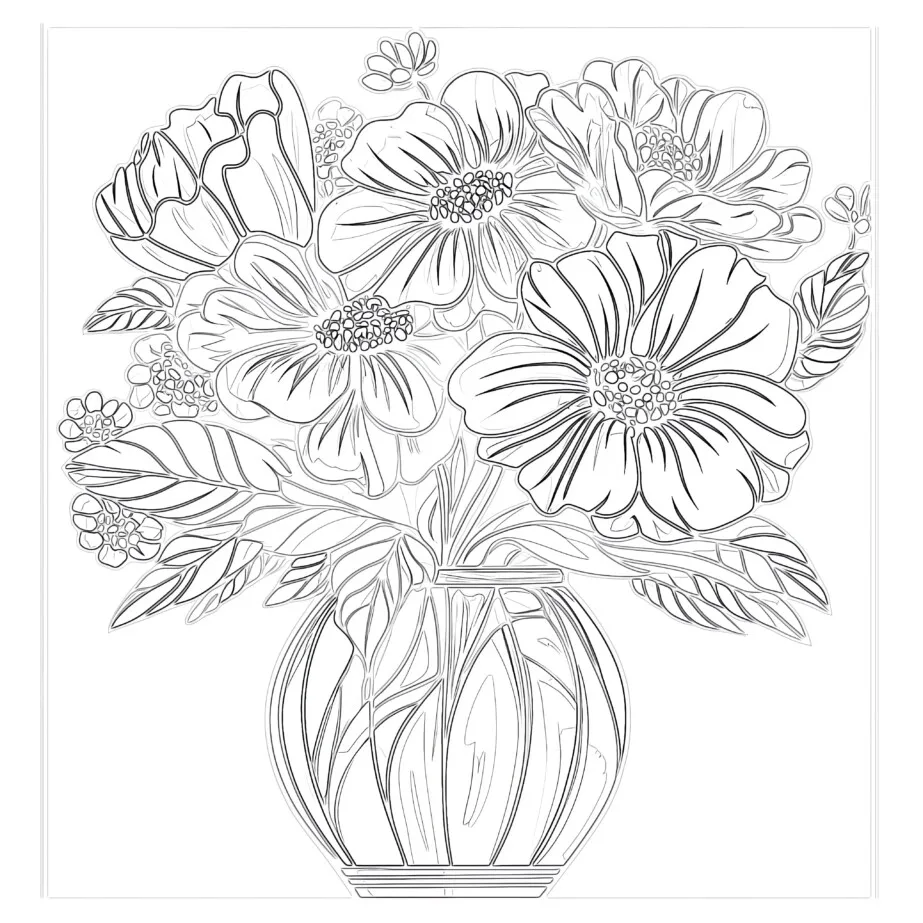
Parents often focus on the final product, but the true value of these activities lies in the process itself. The journey of choosing a design, selecting a palette, and seeing a project through to completion teaches persistence and attention span. To make flower vase coloring pages more developmentally valuable, you can encourage children to describe their color choices, use different types of media like colored pencils or pastels to change the texture, or even ask them to draw their own additional designs on the page. You might also provide a pattern-following challenge, introduce shading techniques, or have them work on a larger scale to engage their whole arm. Integrating these elements transforms a simple sheet of paper into a dynamic learning environment that supports growth while remaining an enjoyable, screen-free activity for preschool or kindergarten students.