Many parents and educators see a coloring page as a quiet activity meant to fill time. However, slime coloring pages offer a unique opportunity to bridge the gap between simple artistic expression and foundational scientific discovery, turning a flat image into a gateway for tactile exploration.
Start With the Picture
A coloring page acts as a visual prompt that captures a child's imagination before any actual scientific experimentation begins. By choosing a page featuring slime, you introduce concepts of states of matter, viscosity, and chemical reactions through a low-pressure, familiar medium. These illustrations often depict slime in jars, bubbling over, or being stretched, which provides a narrative starting point that sets the stage for a broader learning journey.
Ask What the Child Notices
Engaging a child in deep observation requires moving beyond simple identification of colors to probing questions about physical characteristics. Ask them to describe if the slime in the picture looks thick like honey or thin like water, or why it might be shaped in a particular way. By encouraging them to notice details like air bubbles, glitter, or drip patterns, you train them to become keen observers who look for texture and movement in their everyday environment.
Once the coloring is complete, connect the image to the real world by discussing where we find slime-like substances in nature or the kitchen. You can compare the drawing to everyday items like pancake batter, pudding, or even the mucus found in snails or slugs to illustrate biological and physical properties. This bridge helps children realize that the abstract lines on their page represent tangible matter that behaves according to specific scientific laws.
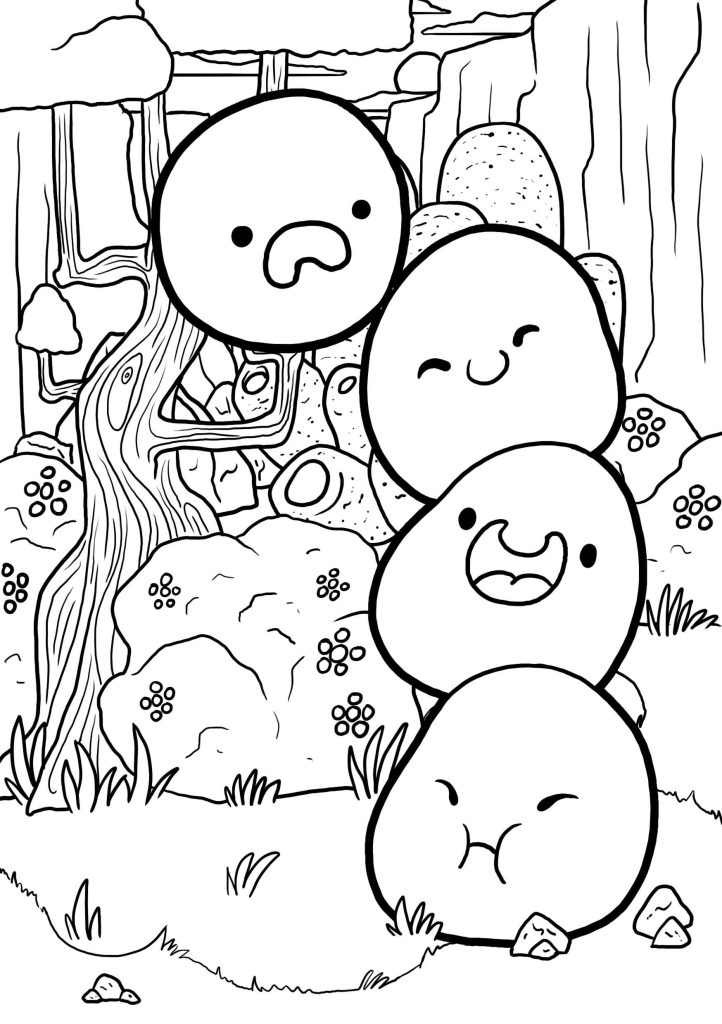
You can easily turn slime coloring pages into a mini science activity by using them as a reference guide for a sensory experiment. Have the children create a batch of simple slime using glue and activator, then challenge them to match the physical properties of their homemade creation to the drawing they colored earlier. This allows for direct comparison and classification, helping them understand how variables like glitter or color additives change the appearance and consistency of their own gooey concoction.

Use the coloring page as a foundation for a vocabulary-building exercise by having children label the different parts of their illustration with descriptive adjectives. Ask them to write three sentences explaining how they think the slime would feel if they could touch it or how it would sound if it hit the floor. This transformation from visual artist to mini-scientist ensures that the coloring process leaves them with a deeper understanding of the subject matter, proving that a single page is not just a destination, but a starting point for curiosity.