You have likely heard the familiar groan from a student staring at a blank page, pen hovering uncertainly. When children struggle to start a writing assignment, they often need a spark to ignite their imagination. A printable list of essay prompts for 4th graders is the perfect solution.
Teachers and parents often search for essay prompts for 4th graders because students at this age are transitioning from simple sentence structures to developing coherent, structured paragraphs. At nine or ten years old, children are capable of complex thought but often feel overwhelmed by the vast number of topics they could choose. By providing a curated set of ideas, you remove the initial barrier of choice, allowing the student to focus entirely on the craft of writing and expressing their unique perspective.
Why Educators and Parents Use Essay Prompts for 4th Graders
Using these structured writing starters helps solve the common problem of writer's block by narrowing the scope of the task. Instead of staring at an empty white sheet, a student can select a topic they feel passionate about, such as describing a favorite invention or explaining a local community issue. This sense of agency encourages kids to take ownership of their writing process, which leads to higher engagement and longer, more thoughtful compositions that demonstrate better critical thinking skills.
These printables act as a roadmap, guiding young writers through different styles of composition including narrative, expository, and persuasive pieces. When a student knows exactly what the goal of the prompt is, they can spend less time worrying about what to write and more time refining their vocabulary and sentence flow. This consistent practice is essential for building the confidence needed to handle larger academic research projects or creative stories as they move into higher grade levels.
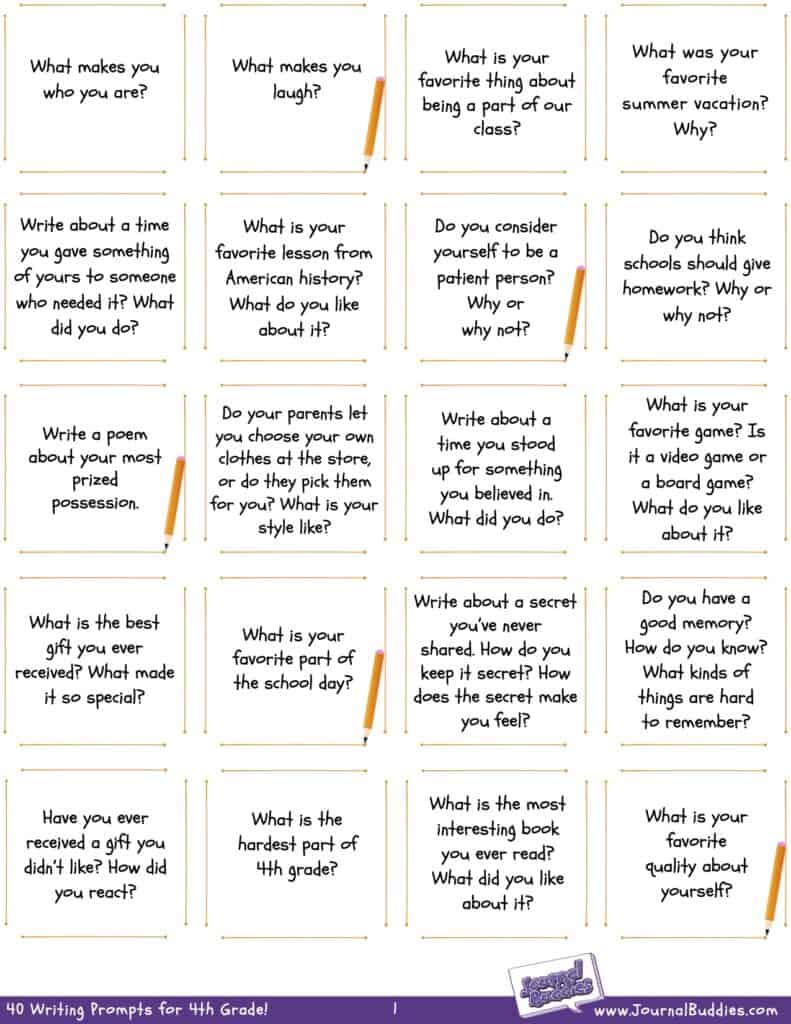
Incorporating these prompts into a daily or weekly routine helps establish a habit of regular writing that keeps skills sharp throughout the school year. You might place the list in a writing center or keep a copy tucked inside a student's binder for quick access during independent study time. By keeping the activity low-pressure and consistent, you reinforce the idea that writing is a form of personal expression rather than just a chore to be checked off a list.
Practical Classroom and Homeschool Applications
In a classroom setting, these prompts can function as effective warm-up activities that get students focused and ready for the day's lessons. By having a few students share their responses aloud, you can create a community of writers who learn from each other's diverse viewpoints and styles. This collaborative atmosphere helps students realize that there are many ways to approach a single topic, which can be an eye-opening experience for a young learner developing their own voice.
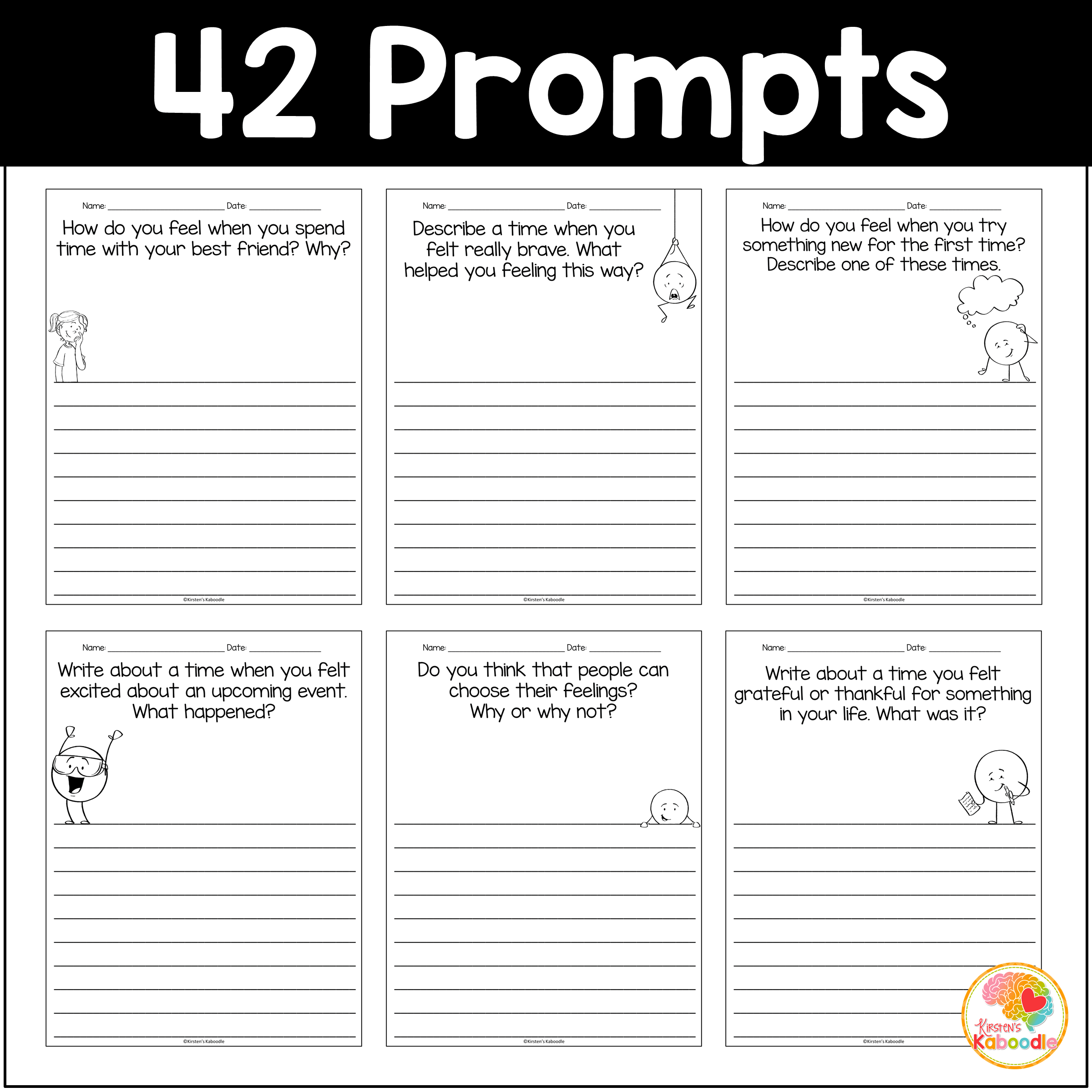
For homeschooling parents, these resources are invaluable for structuring a balanced writing curriculum that covers various genres without requiring constant lesson planning. You can adapt the difficulty of the prompts to suit a child's current ability, starting with simple descriptive tasks before moving on to more argumentative pieces. This flexibility ensures that the student is always challenged just enough to grow, while the variety prevents them from getting bored with repetitive assignments.
To get the most out of these materials, consider using them as a springboard for further creative exploration rather than just a finished assignment. You might encourage students to illustrate their written work or even turn their essays into short oral presentations for their peers or family members. This multi-modal approach helps solidify the lessons learned in the writing process while making the overall experience feel more like a fun, creative endeavor than an academic test.
Whether you are looking to spark creativity or simply provide a structured framework, these writing tools are a versatile addition to any educational toolkit. By making writing accessible and engaging, you empower children to communicate their ideas clearly and confidently. As they continue to explore these prompts, they will naturally develop the habits and skills necessary to become more articulate and thoughtful writers in the years to come.