A child can tap a correct math answer on a glowing screen in seconds, yet struggle to organize that same concept on paper. This contrast highlights the difference between recognizing information and actively processing it through physical engagement with our learning environment.
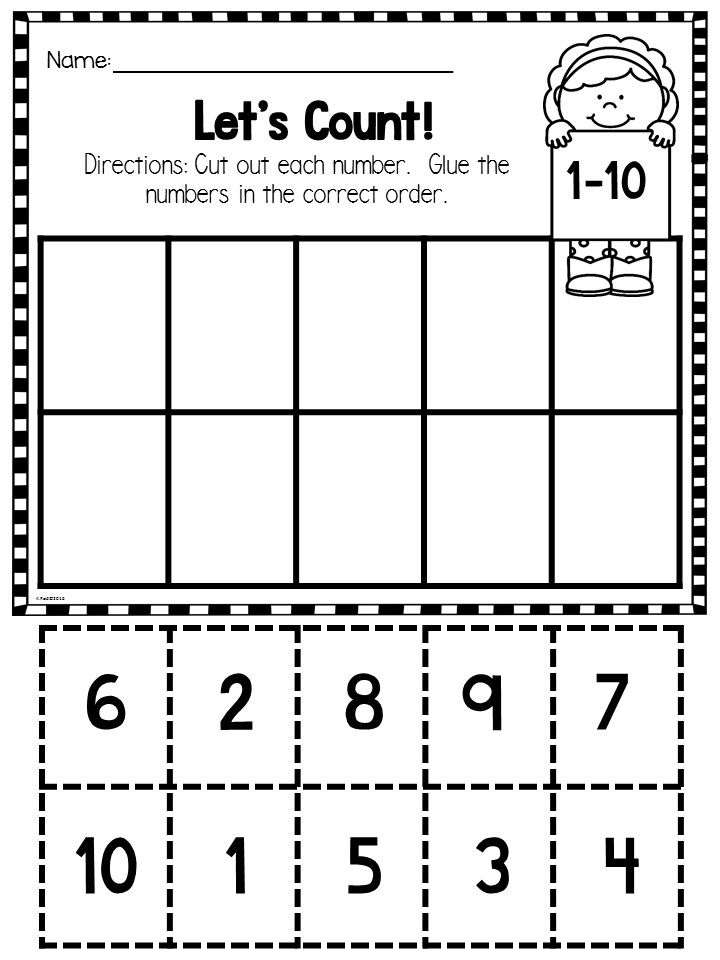
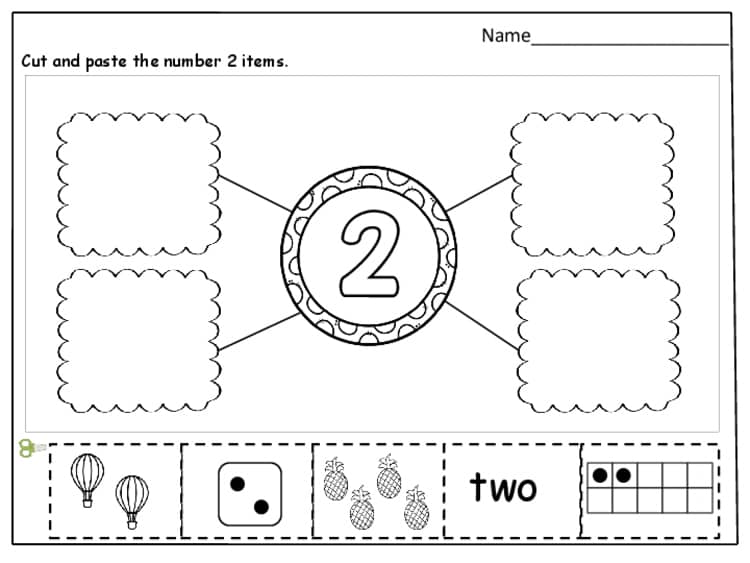
When a child completes a cut and paste number worksheet, they engage in a sophisticated cognitive sequence that begins with observation and ends with synthesis. The process requires them to look at the prompt, locate the corresponding number or image, interpret the spatial requirement of the page, and plan their physical movements. This sequence moves beyond passive consumption, forcing the brain to transition from identifying a solution to physically constructing it within a defined space.
This process relies on complex developmental building blocks that transcend simple math. Fine motor coordination is exercised as the child carefully manipulates scissors to navigate a paper boundary, while visual-motor integration is put to the test when they must align a cutout number with a specific box on the worksheet. By physically placing and gluing these elements, a child practices spatial organization, learning to anchor concepts within the tangible environment of a page rather than letting them disappear into the ether of a digital interface.
The Strategic Role of Physical Context
Physical materials offer a stable, immutable context that digital platforms often lack. On a printed worksheet, the position of a number is permanent; it remains exactly where the child placed it, providing a consistent reference point for the entire session. This permanence allows for the development of error detection and correction skills, as the child can physically see their mistakes, trace their steps back, and physically rectify the placement, which reinforces the cognitive process of self-monitoring in a way that an instant digital 'reset' button simply cannot.
Cultivating Sustained Attention
Attention is a skill that must be nurtured, not just a static personality trait. Digital environments are often designed to be highly responsive and filled with secondary stimuli, which can sometimes divert a child's focus from the core learning objective. A simple paper activity creates a predictable, low-distraction environment where the number of competing stimuli is limited, allowing the child to practice sustained attention by focusing on the singular task of sorting, cutting, and pasting without the pressure of a ticking digital timer.
Productive friction is the inherent challenge found in physical tasks that requires a child to slow down and exert effort. Because a pencil or a glue stick does not move with the instantaneous speed of a touchscreen, the child is granted time to reflect on their choices. This pause is where genuine learning occurs, as the act of manually constructing the response necessitates retrieval of the information from memory, thereby deepening the cognitive connection between the symbol and its value.
To implement these strategies, parents can set up a dedicated quiet space for physical work, while teachers can integrate these worksheets as a tactile bridge to abstract concepts. For homeschool educators, using these materials as a reward for successful digital lesson completion can create a balanced rhythm. Whether you are in a classroom or at a dining room table, prioritize the quality of the engagement over the quantity of pages completed to ensure the child remains interested rather than overwhelmed.
Ultimately, the best learning environment is not defined by the newest technology or the highest volume of worksheets, but by the thoughtful alignment of the medium to the specific skill being taught. By utilizing a framework that asks what skill is being developed and whether the medium supports that goal, we can move away from digital-versus-physical debates. Instead, we can create a healthy ecosystem where cut and paste number worksheets serve as a vital tool for building the patience, precision, and foundational knowledge necessary for long-term academic success.