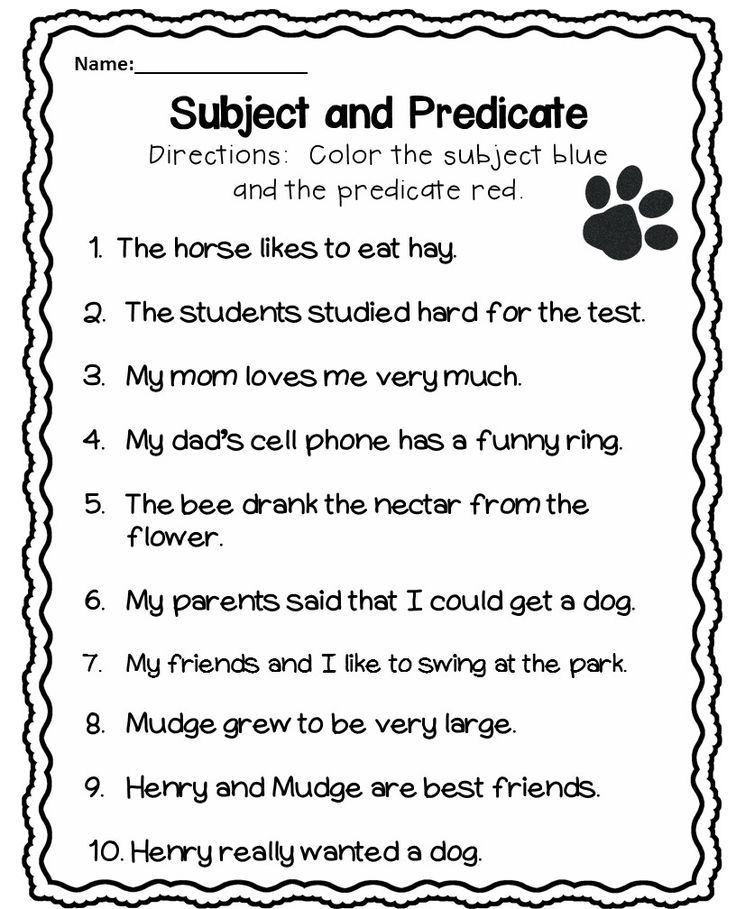
Forget everything you know about standard schoolwork. We are turning those dreaded subject and predicate worksheets into high-octane quests that will have your child begging for more practice. It is time to swap the silence of the desk for the excitement of a full-blown learning expedition.
Most children view a worksheet as a static list of chores that must be completed before they can finally go out and play. By reframing these pages as secret blueprints for a grand adventure, we shift the entire psychological experience of the learner. When a child sees a page of sentences as a map or a mystery waiting to be unlocked, their brain switches from a state of passive compliance to active, creative engagement. This shift is the secret sauce to turning tedious drills into memorable moments of educational discovery.
To get started, we must break the cycle of the solitary student sitting in a chair. Instead, we invite the child to become an explorer who uses language as their primary tool for navigating the world. Whether it is identifying the who or what of the subject or uncovering the action-packed predicate, we are teaching them that grammar is not a set of rigid rules but a building block for their own unique stories. Get ready to transform your home or classroom into a vibrant hub of linguistic exploration where every sentence is a new opportunity to learn.
Step 1: The Setup
Before you even look at the worksheet, you must create an environment that screams creativity rather than clinical study. Clear off the kitchen table and transform it into a mission control center equipped with glitter pens, neon markers, and thematic stickers that match the lesson. Place a small lamp or some fairy lights on the desk to create a cozy nook that invites focused, happy work. By providing colorful materials, you signal to your child that this is a space for creation and fun, which immediately lowers any anxiety they might feel about complex grammar tasks.
Step 2: The Quest
Turn your worksheets into a scavenger hunt by hiding the printed pages throughout the house or backyard. Give your child a magnifying glass or a detective badge and task them with hunting down the missing sentences to solve the mystery of the complete thought. You can also implement a timed challenge where they must race the clock to identify the subjects and predicates like a secret agent decoding a message. This physical movement keeps their blood flowing and their brains alert, making the abstract concept of parts of a sentence feel tangible and urgent.
Once the sentences are found and decoded, it is time for the final ceremony of completion. Celebrate every correct answer with a high-five, a silly dance, or a gold star sticker placed right on their shirt like a badge of honor. Positive reinforcement is the anchor that turns a fleeting lesson into a long-term skill, helping the child associate hard work with genuine joy and accomplishment. Never underestimate the power of a celebratory snack or a victory lap around the living room to solidify the good feelings associated with learning.
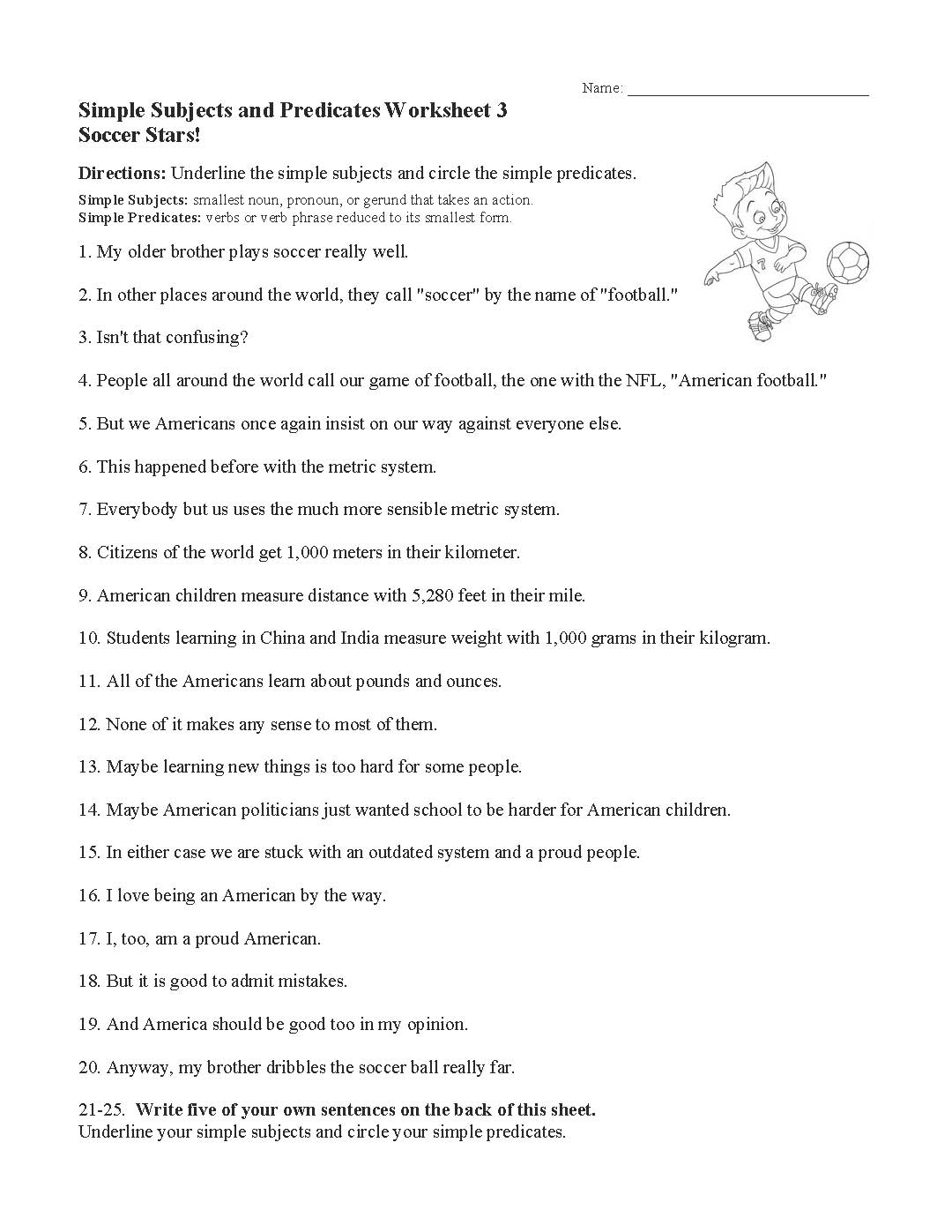
To keep the momentum going, try these creative extensions that bridge the gap between paper and play. Pair your worksheets with sensory bins filled with rice or beans where you hide small plastic animals that serve as the subjects for your own custom-written sentences. Use playdough to sculpt the subjects and predicates in different colors, literally molding the grammar into a three-dimensional model. You can also use real-world objects around the house; ask your child to create a sentence where the toaster is the subject and the popping is the predicate, grounding their work in the physical environment.
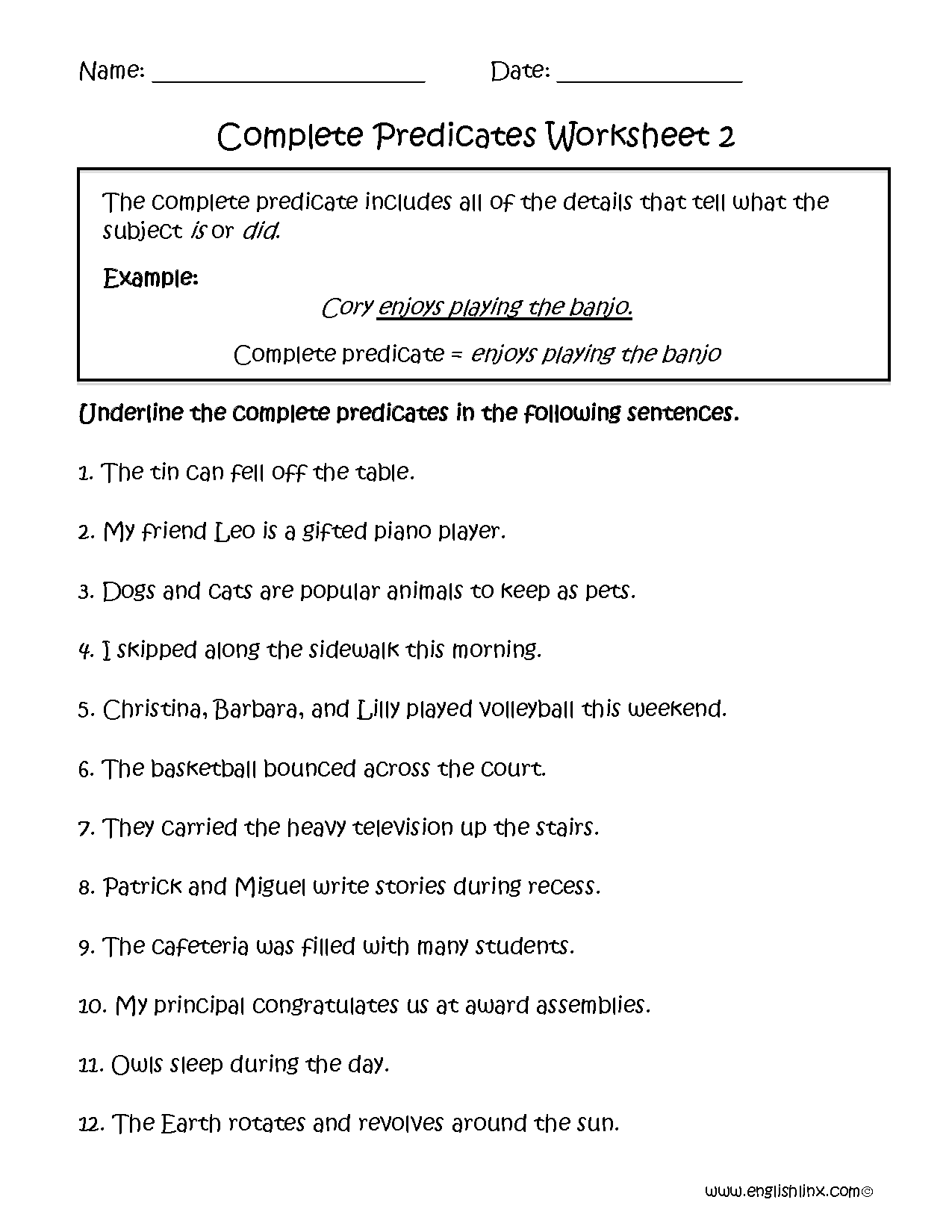
Ultimately, the goal of this approach is to weave education into the fabric of your daily relationship with your child. When you turn learning into a shared adventure, you are not just teaching them how to parse a sentence, but you are also showing them that curiosity is a lifelong endeavor. Take the time to sit beside them, participate in the quest, and enjoy the laughter that comes with making mistakes and learning together. By turning worksheets into play, you build a foundation of confidence that will support them long after the school year ends.