As classrooms rapidly migrate toward screens, we risk losing the essential neurological foundation built by pen-on-paper work. Pencil control worksheets serve as a vital cognitive anchor, bridging the gap between raw motor development and the high-level brain function required for lifelong learning.
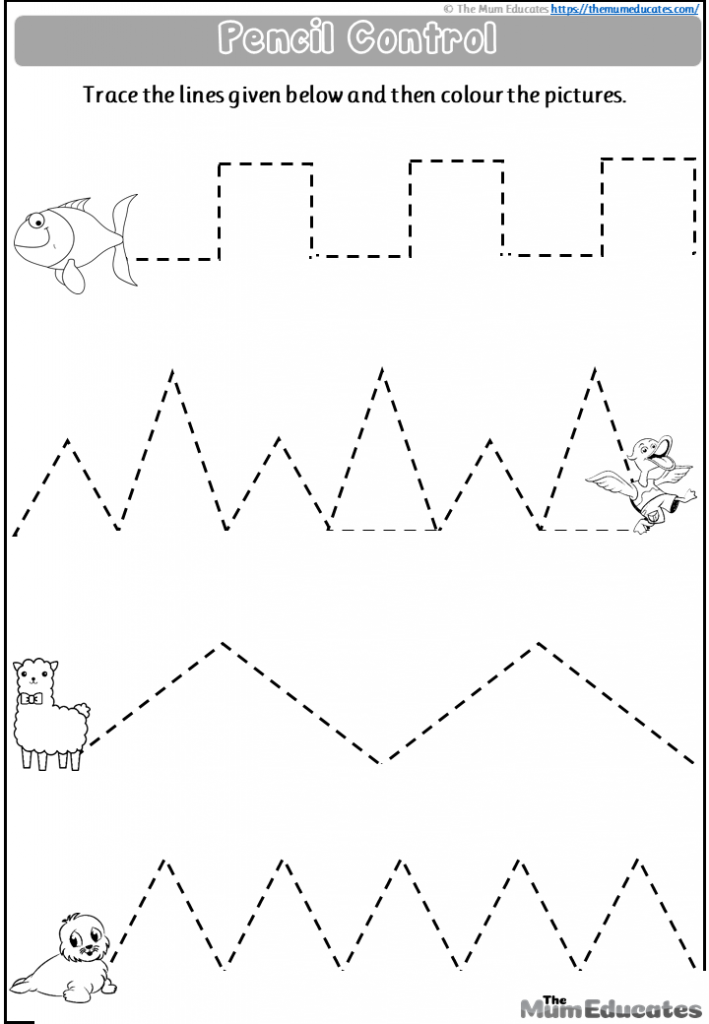
The digital shift has undeniably transformed access to information, yet it has simultaneously introduced a sensory deficit in early childhood development. When a student interacts with a touchscreen, the physical feedback is minimal, often reduced to a singular, repetitive tap that bypasses the complex neural mapping required for fine motor precision. By reintroducing pencil control worksheets, we provide a structured, tactile environment that demands physical engagement. This transition from passive observation to active, physical creation is not merely about penmanship; it is about grounding the child’s brain in a reality that rewards effort with tangible, visible progress.
Tactile Feedback and Motor Pathways
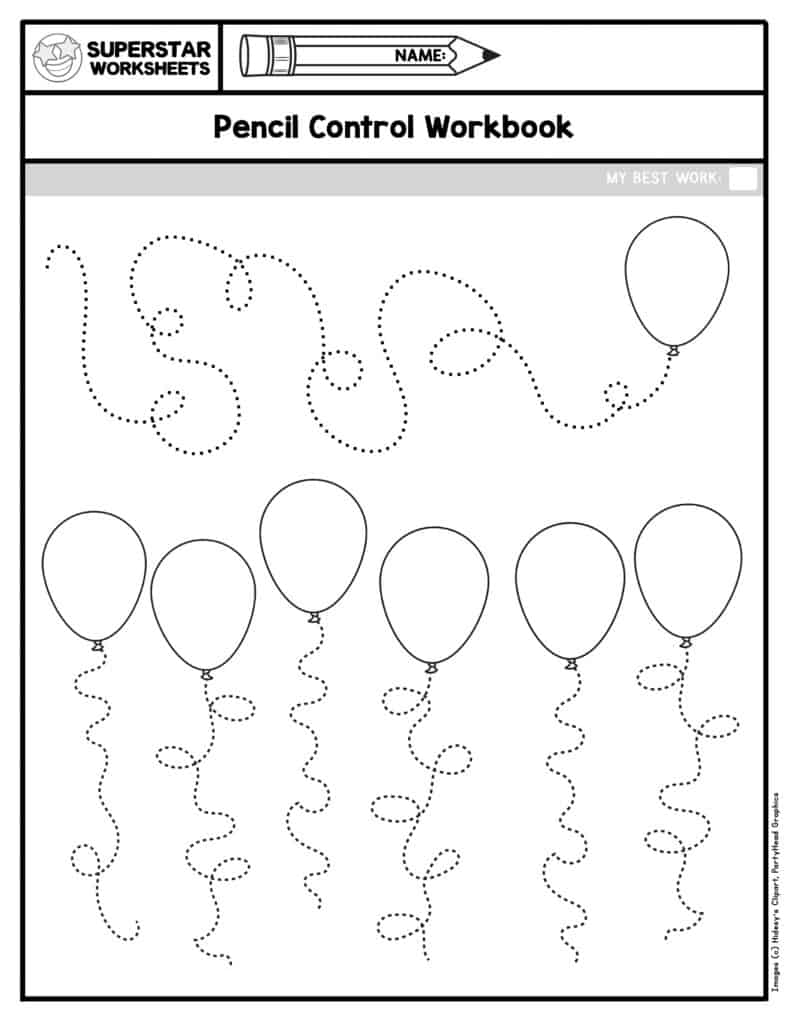
Grasping a pencil requires a sophisticated orchestration of the small muscles in the hand, fingers, and wrist, a process known as fine motor refinement. As a child navigates the lines and curves on a worksheet, they are engaging in bilateral coordination, where the brain must constantly reconcile visual input with precise motor output. This constant loop of neuromuscular feedback strengthens the neural pathways responsible for manual dexterity and hand-eye coordination. Unlike digital interfaces that auto-correct strokes, paper-based activities force the brain to regulate pressure and speed, fostering the foundational strength necessary for future academic writing tasks.
Focus and Mindful Attention
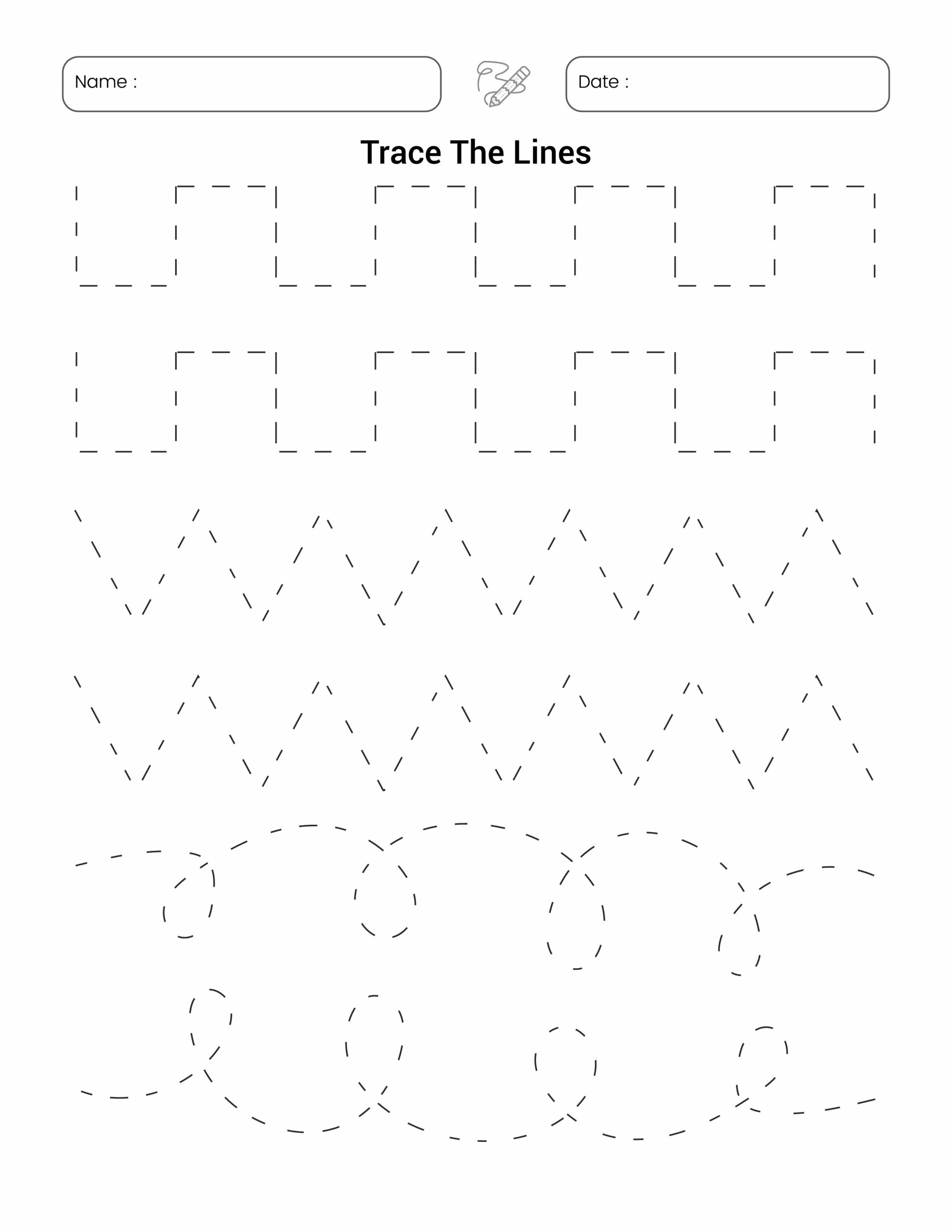
In an era of relentless digital notifications, the act of filling out a pencil control worksheet serves as a meditative practice that promotes deep-work cycles. The physical sensation of graphite on paper produces a grounding effect that helps regulate the nervous system, allowing children to enter a state of sustained, calm concentration. Unlike the hyper-stimulating environment of games and videos, paper-based work slows the pace of information processing, encouraging the child to inhabit the present moment. This focused engagement is crucial for developing the executive function skills required to block out distractions and complete multi-step tasks later in life.
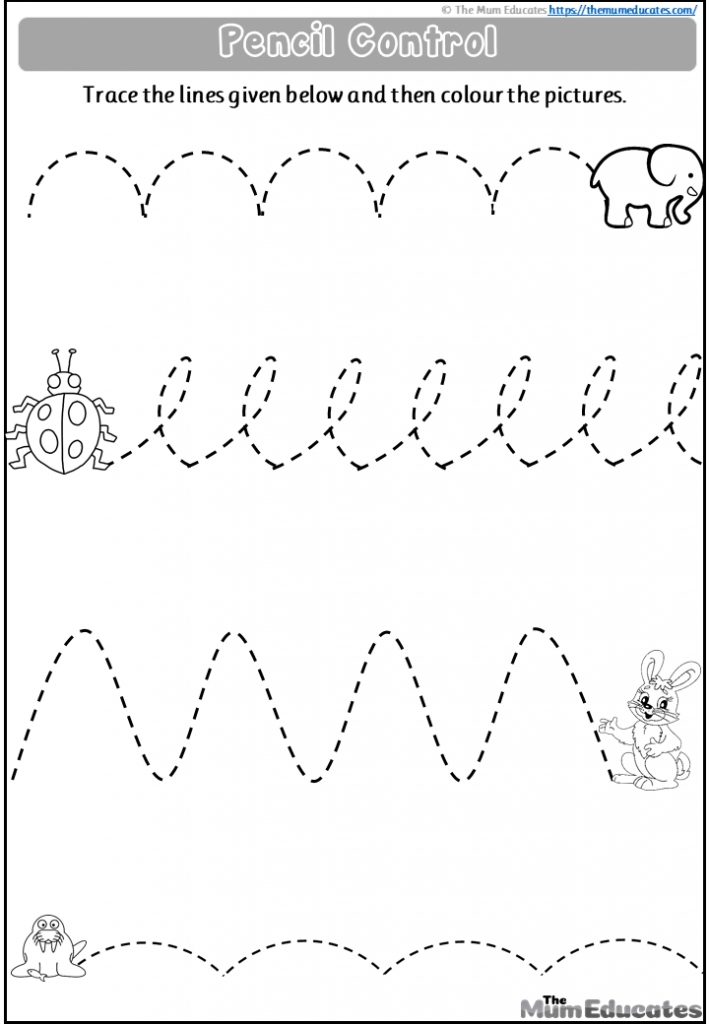
To maximize the cognitive benefits of these exercises, parents and teachers should focus on quality over quantity. Ensure the child uses a pencil grip that allows for fluid movement, as rigid pressure can stifle the neural benefits of the activity. Incorporate short, consistent sessions that start with simple shapes and gradually progress to complex patterns, keeping the experience challenging but stress-free. Finally, treat these worksheets as a collaborative, quiet activity rather than a rote chore, allowing the child to take pride in the tangible transformation of a blank page into a completed design.
The journey toward academic mastery is built upon the silent, steady foundations we provide in the earliest stages of development. By balancing our digital-first world with the irreplaceable tactile benefits of pencil control worksheets, we empower children to build more resilient, focused, and well-integrated brains. We must remember that while technology provides the tools of the future, it is the manual refinement of physical skills that truly prepares the mind to use them effectively. Let us commit to raising learners who are as comfortable with a pencil in their hand as they are with a screen in their sight.