
Buying or selling a utility trailer is a common task for DIY enthusiasts, farmers, and outdoor adventurers. To ensure the transaction is legally sound and transparent, using a reliable printable trailer bill of sale is the best way to document the exchange and protect both parties involved.
Why You Need a Printable Trailer Bill of Sale
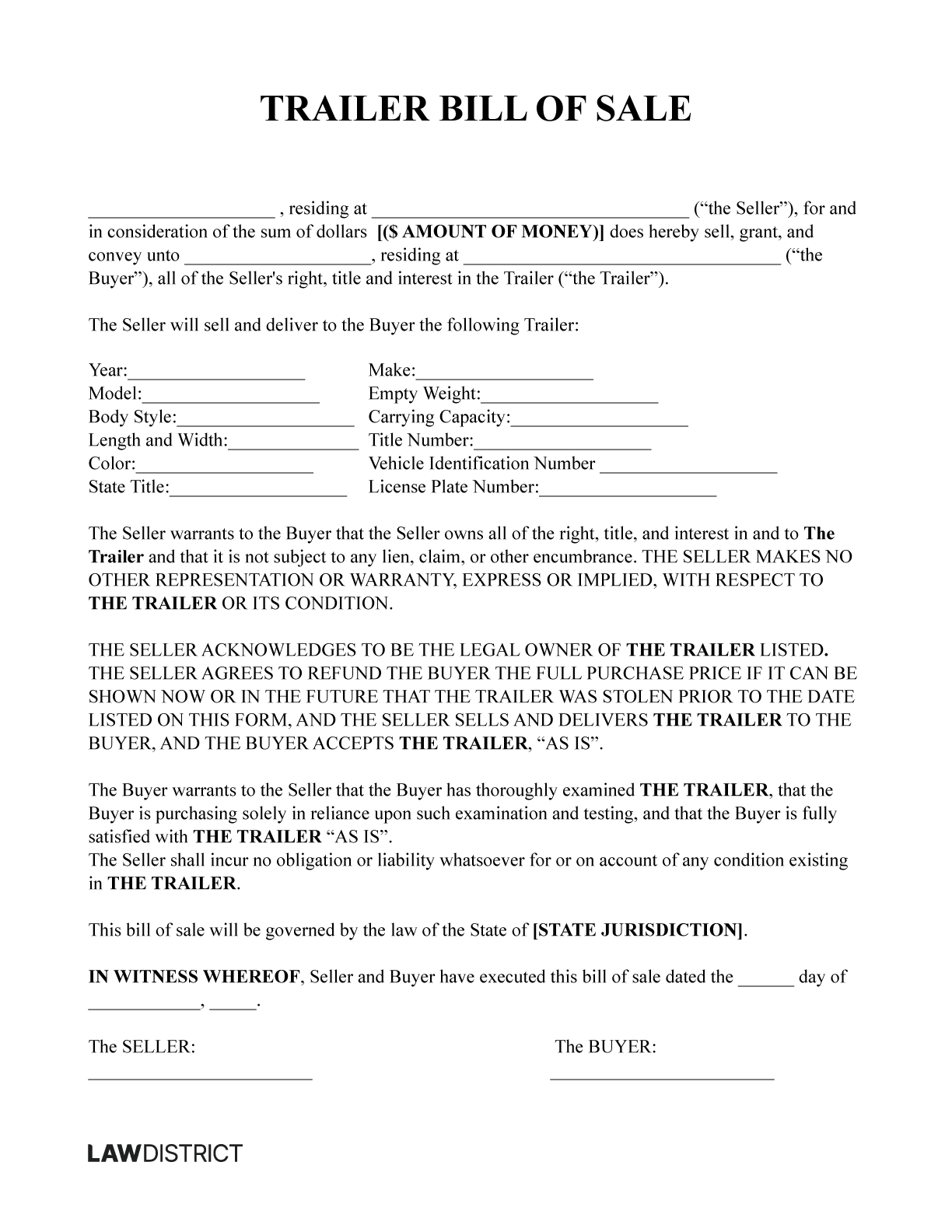
A high-quality printable trailer bill of sale serves as a formal receipt that confirms the change of ownership for non-motorized equipment. Unlike a standard car title transfer, which is handled strictly through the DMV, a bill of sale provides a private record of the purchase price, the condition of the trailer, and the specific terms of the deal. By keeping this document on hand, sellers can prove they no longer hold liability, while buyers gain the necessary proof of purchase required for registration and licensing in their home state.
Understanding the Document Features
The primary benefit of using a standardized template is the inclusion of critical data fields that casual buyers often forget to document. These forms typically capture the make, model, vehicle identification number, and current condition of the trailer, which prevents future disputes regarding undisclosed damage. By organizing this information clearly, the printable trailer bill of sale acts as a roadmap for the transaction, ensuring that nothing vital is left out during the high-pressure moment of swapping cash for equipment.
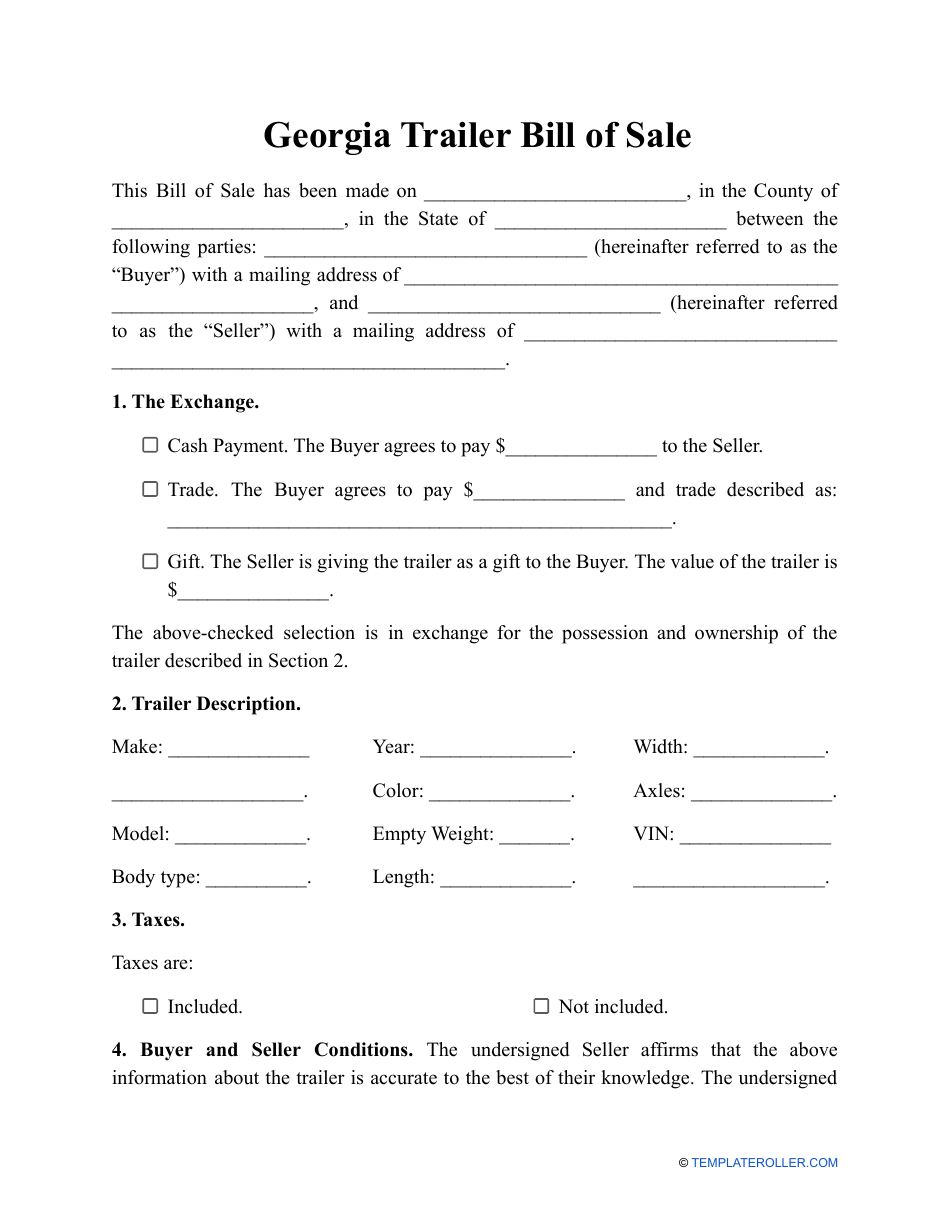
When you are preparing to sell a used landscape or utility trailer, you should always have two copies of the document ready for the meeting. The seller should fill out the basic descriptive information beforehand to save time and ensure accuracy during the site visit. If you are the buyer, verifying that the VIN on the trailer frame matches the information printed on the bill of sale is an essential step to ensure you are not purchasing stolen or misrepresented property.
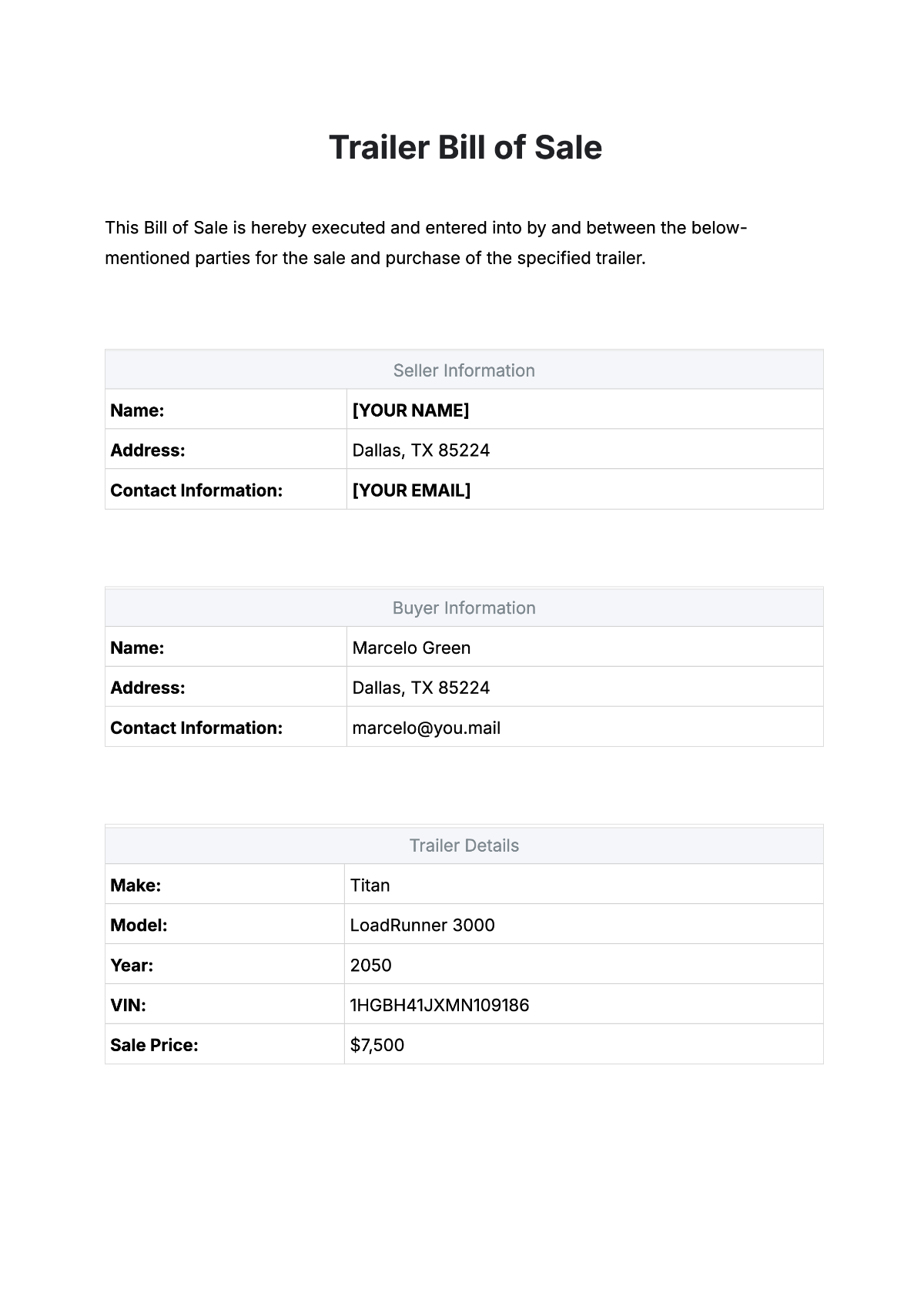
To make the most of this process, consider adding an addendum section for specific accessories included in the deal, such as spare tires, ramps, or storage boxes. For more complex transactions involving older trailers, you might also want to attach a simple "as-is" disclosure statement to clarify that the buyer has inspected the axles and lights and accepts the condition of the unit. These small additions turn a basic form into a comprehensive legal instrument that guards against potential misunderstandings or claims of misrepresentation after the trailer has left your property.
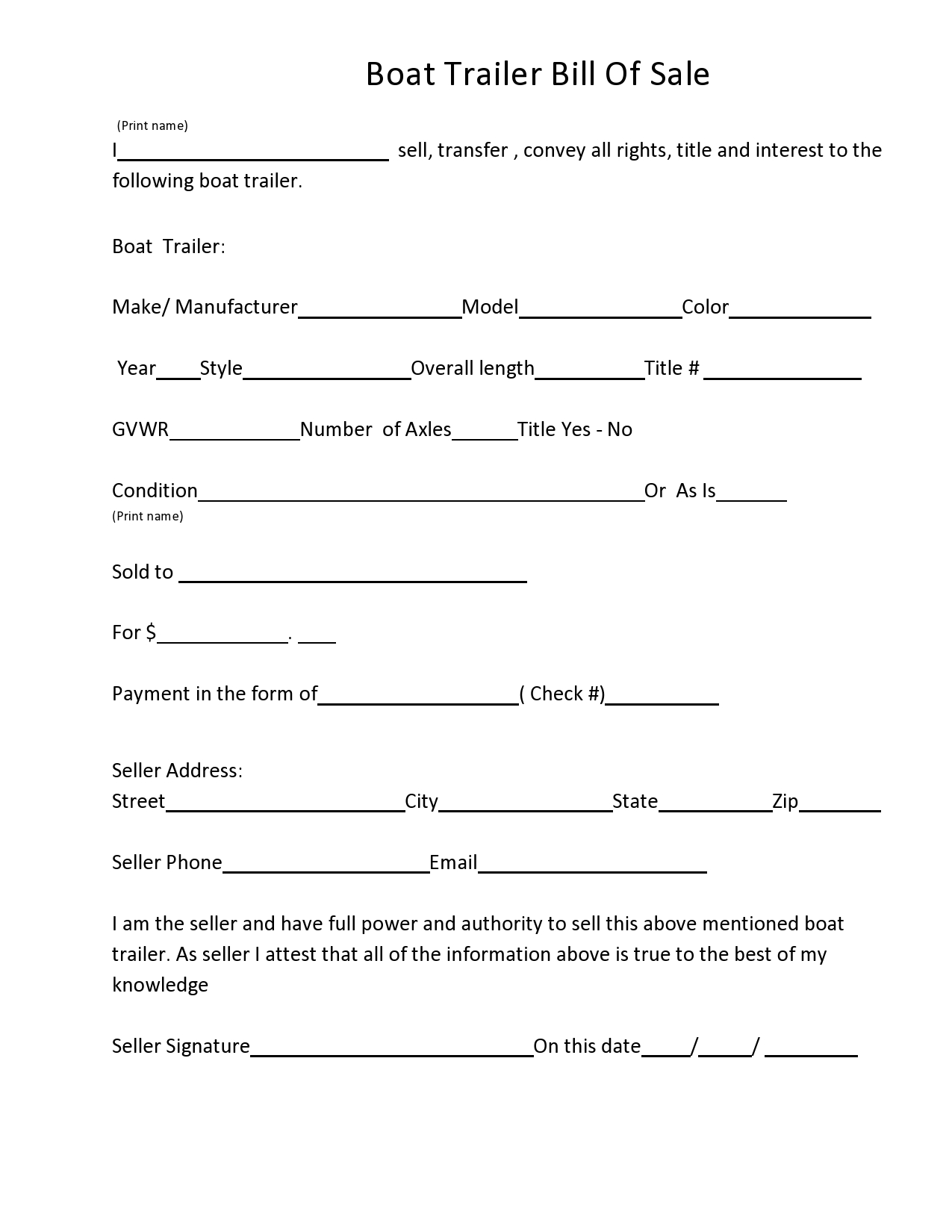
Real-world examples show that having this documentation ready makes the entire process faster, particularly for seasonal items like boat or snowmobile trailers. Whether you are upgrading your haulage setup for spring yard projects or selling a camper unit as winter approaches, the right paperwork provides peace of mind. By finalizing the deal with a proper signature and date, both the buyer and seller can walk away from the transaction feeling confident that their interests are fully protected and the transfer is official.